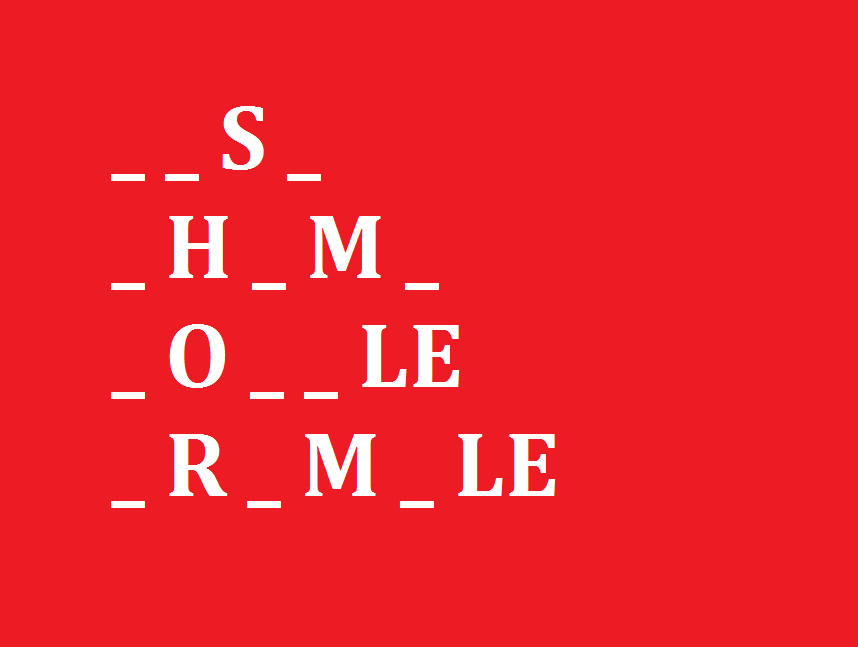
A 3-letter word has been tak...
[5507] A 3-letter word has been tak... - A 3-letter word has been taken out of each of the following words. The letters may not be adjacent, but they are in order. Can you find that word? - #brainteasers #wordpuzzles #riddles - Correct Answers: 31 - The first user who solved this task is Djordje Timotijevic
BRAIN TEASERS
enter your answer and press button OK

A 3-letter word has been tak...

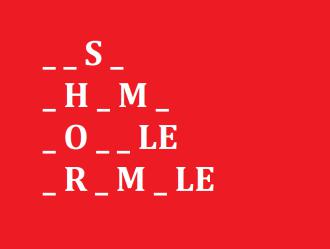
A 3-letter word has been taken out of each of the following words. The letters may not be adjacent, but they are in order. Can you find that word?
Correct answers: 31
The first user who solved this task is Djordje Timotijevic.
#brainteasers #wordpuzzles #riddles
Register with your Google Account and start collecting points.
Check your ranking on list.

Dumb Horse

A guys car broke down. He pulled over to the side of the road.Luckly there was a farm near by.He asked the farmer if he could help. The farmer said "sure just let me get my horse, Bruce. So they hooked the car up. The farmer called out to his horse,giddyup Sonya!
The horse did'nt move. Giddyup Tonya! The horse did'nt move. Giddyup Bruce! The horse moved. So when they got back they fixed the mans car. The man said thank you and then asked the farmer why he called different names."

Well" the farmer started, "Bruce won't do anything if he knows he's the only one doing it."

Jokes of the day - Daily updated jokes. New jokes every day.
Follow Brain Teasers on social networks

Brain Teasers

puzzles, riddles, mathematical problems, mastermind, cinemania...

Goodyear

In 1837, Charles Goodyear obtained his first rubber-processing patent (U.S. No. 240). At this time, the original india-rubber would become sticky melt in the summer heat. Goodyear resolved to solve this problem. After various unsuccessful methods, he devised a process to treat the India rubber with metallic solutions such as copper nitrate and strong acid for a few minutes, followed by washing with water. Such process treated both rubber on the surface and below the surface to a useful condition. His patent explained this method, and also the use of a water paste of quicklime to bleach the rubber for which he listed various new purposes. He obtained additional patents as he continued to revised his process by using sulphur and oil of turpentine.
This site uses cookies to store information on your computer. Some are essential to help the site properly. Others give us insight into how the site is used and help us to optimize the user experience. See our privacy policy.