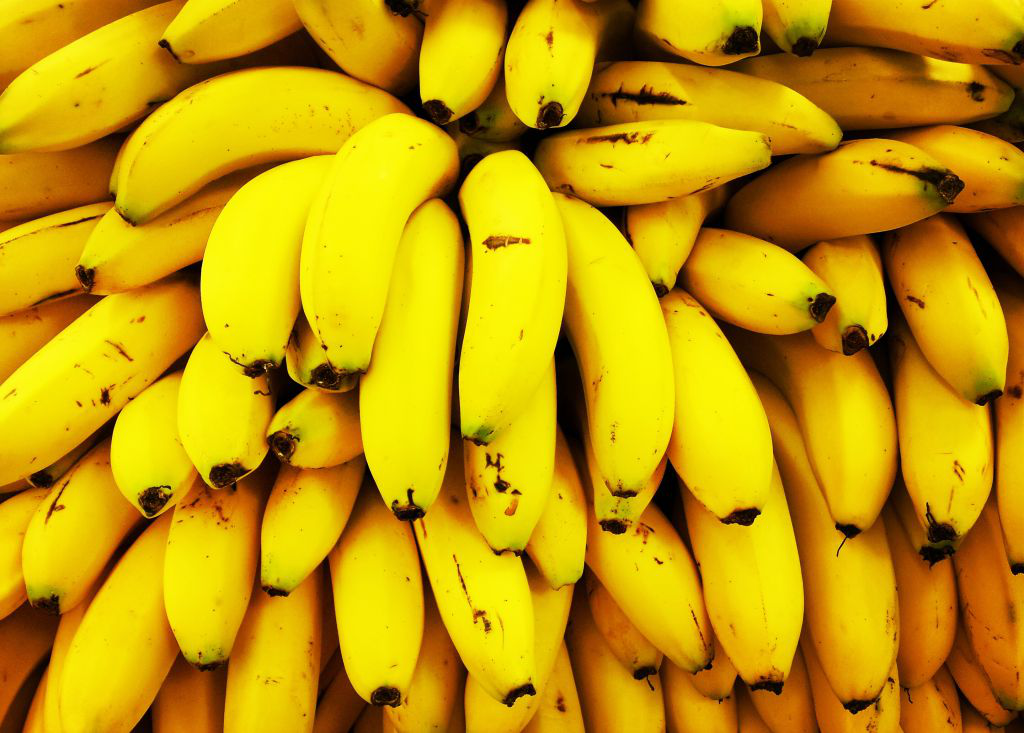
Can you guess how many bananas were in the box?
[3279] Can you guess how many bananas were in the box? - There was a shipwreck at sea and Doug, Steve, and Phil got washed ashore on a small, isolated island. They were exhausted and fell asleep on the beach. Doug woke up and saw a box of bananas had washed ashore. He ate 1/3 of bananas and went back to sleep. Steve woke up and also ate 1/3 of what was left of the bananas, and went back to sleep. Next, Phil woke up and assuming no one had eaten the bananas, ate only 1/3 of what was left. When he was finished, there were only 8 bananas left. Can you guess how many bananas were in the box? - #brainteasers #math #riddles - Correct Answers: 91 - The first user who solved this task is Allen Wager
BRAIN TEASERS
enter your answer and press button OK

Can you guess how many bananas were in the box?

There was a shipwreck at sea and Doug, Steve, and Phil got washed ashore on a small, isolated island. They were exhausted and fell asleep on the beach. Doug woke up and saw a box of bananas had washed ashore. He ate 1/3 of bananas and went back to sleep. Steve woke up and also ate 1/3 of what was left of the bananas, and went back to sleep. Next, Phil woke up and assuming no one had eaten the bananas, ate only 1/3 of what was left. When he was finished, there were only 8 bananas left. Can you guess how many bananas were in the box?
Correct answers: 91
The first user who solved this task is Allen Wager.
#brainteasers #math #riddles
Register with your Google Account and start collecting points.
Check your ranking on list.

When the two magicia...

“When the two magicians liked each other on their first date, it was love at first sleight.”

Jokes of the day - Daily updated jokes. New jokes every day.
Follow Brain Teasers on social networks

Brain Teasers

puzzles, riddles, mathematical problems, mastermind, cinemania...

Karen Horney

Died 4 Dec 1952 at age 67 (born 16 Sep 1885). (née Danielsen) German-born American psychoanalyst who departed from some of the basic principles of Sigmund Freud, suggesting that environmental and social conditions, rather than biological drives, determine much of individual personality and are the chief causes of neuroses and personality disorders. While she recognized the importance of early childhood experiences in determining neurotic conflicts, she contended that the analyst must also be aware of current fears and impulses. She also stressed the necessity of understanding the environmental context in which neurotic conflicts are expressed. Her view of human beings allowed much more scope for development and rational adaptation than Freudian determinism permitted.
This site uses cookies to store information on your computer. Some are essential to help the site properly. Others give us insight into how the site is used and help us to optimize the user experience. See our privacy policy.