Chess Knight Move
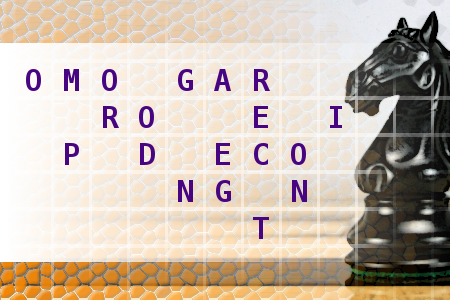
Find the country and its capital city, using the move of a chess knight. First letter is M. Length of words in solution: 10,9.Correct answers: 54
The first user who solved this task is Djordje Timotijevic.
#brainteasers #wordpuzzles #chessknightmove

Your Brother Named Them
A woman was rushed into the hospital in an ambulance as she was just about to give birth to twins.
At the hospital the lady was in such pain she had to be sedated.
A couple of hours after the babies had been delivered, she woke up and asked to see her children.
"Doctor, could you bring my babies to me so I can name them?"
The doctor replied, "You don't need to worry about names, your brother has already named them."
"Why did you let him name them, he has no sense! What did he call the little girl then?"
"Denise." replied the doctor.
"Oh that’s not too bad, I thought u were going to tell me he'd named her something awful! So what did he call the little boy?"
"De-nephew, of course!"
At the hospital the lady was in such pain she had to be sedated.
A couple of hours after the babies had been delivered, she woke up and asked to see her children.
"Doctor, could you bring my babies to me so I can name them?"
The doctor replied, "You don't need to worry about names, your brother has already named them."
"Why did you let him name them, he has no sense! What did he call the little girl then?"
"Denise." replied the doctor.
"Oh that’s not too bad, I thought u were going to tell me he'd named her something awful! So what did he call the little boy?"
"De-nephew, of course!"