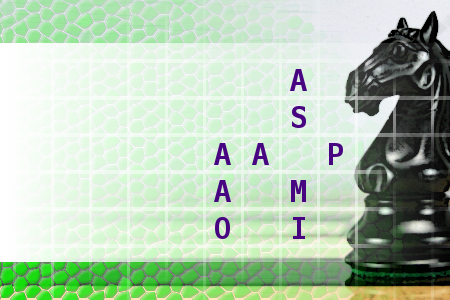
Chess Knight Move
Find the country and its capital city, using the move of a chess knight. First letter is S. Length of words in solution: 5,4.Correct answers: 39
The first user who solved this task is Thinh Ddh.
#brainteasers #wordpuzzles #chessknightmove

A Very Minor Sin
A famous professor of surgery died and went to heaven. At the pearly gates he was asked by the gatekeeper, "Have you ever committed a sin you truly regret?""Yes," the professor answered. "When I was a young candidate at the Hospital of Saint Lucas, we played soccer against a team from the Community Hospital, and I scored a goal, which was off-side. But the referee did not see it, and the goal won us the match. I regret that now."
"Well," said the gatekeeper. "That is a very minor sin. You may enter."
"Thank you very much, Saint Peter," the professor answered.
"You're welcome, but I am not Saint Peter," said the gatekeeper. "He is having his lunch break. I am Saint Lucas."
"Well," said the gatekeeper. "That is a very minor sin. You may enter."
"Thank you very much, Saint Peter," the professor answered.
"You're welcome, but I am not Saint Peter," said the gatekeeper. "He is having his lunch break. I am Saint Lucas."