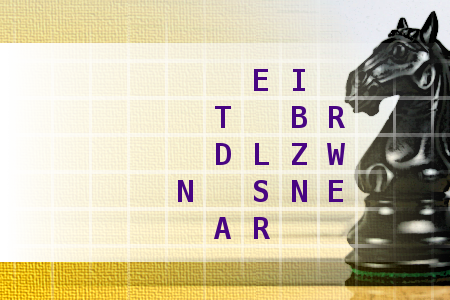
Chess Knight Move
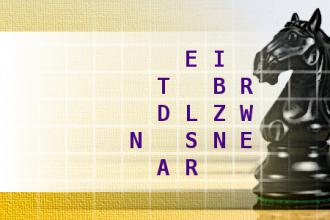
Find the country and its capital city, using the move of a chess knight. First letter is S. Length of words in solution: 11,4.Correct answers: 32
The first user who solved this task is Manguexa Wagle.
#brainteasers #wordpuzzles #chessknightmove

Flying In The Plane
Sue and Bob, a pair of tight wads, lived in the mid west, and had been married years. Bob had always want to go flying. The desire deepen each time a barn stormer flew into town to offer rides. Bob would ask, and Sue would say, "No way, ten dollars is ten dollars."
The years went pay, and Bob figured he didn't have much longer, so he got Sue out to the show, explaining, it's free to watch, let's at least watch. And once he got there the feeling become real strong. Sue and Bob started an arguement.
The Pilot, between flights, overheard, listened to they problem, and said, "I'll tell you what, I'll take you up flying, and if you don't say a word the ride is on me, but if you back one sound, you pay ten dollars.
So off they flew. The Pilot doing as many rolls, and dives as he could--heading to the ground as fast as the plane could go, and pulling out of the dive at just the very last second. Not a word. Finally he admited defeat and went back the airport.
"I'm surprised, why didn't you say anything?"
"Well I almost said something when Sue fell out, but ten dollars is ten dollars."
The years went pay, and Bob figured he didn't have much longer, so he got Sue out to the show, explaining, it's free to watch, let's at least watch. And once he got there the feeling become real strong. Sue and Bob started an arguement.
The Pilot, between flights, overheard, listened to they problem, and said, "I'll tell you what, I'll take you up flying, and if you don't say a word the ride is on me, but if you back one sound, you pay ten dollars.
So off they flew. The Pilot doing as many rolls, and dives as he could--heading to the ground as fast as the plane could go, and pulling out of the dive at just the very last second. Not a word. Finally he admited defeat and went back the airport.
"I'm surprised, why didn't you say anything?"
"Well I almost said something when Sue fell out, but ten dollars is ten dollars."