Chess Knight Move
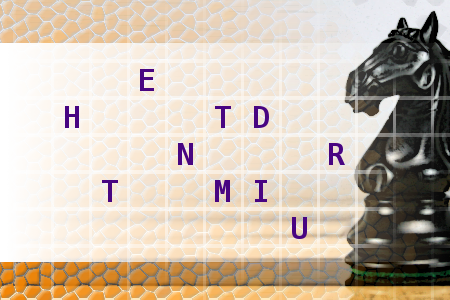
Find the title of novel, using the move of a chess knight. First letter is T. Length of words in solution: 3,3,4.Correct answers: 32
The first user who solved this task is Djordje Timotijevic.
#brainteasers #wordpuzzles #chessknightmove

What happened?
"What happened?" asked the hospital visitor to the heavily bandaged man sitting up in bed.
"Well, I went down to Alton towers and decided to take a ride on the Loch Ness Monster. As we came up to the top of the highest loop, I noticed a little sign by the side of the track. I tried to read it, but it was very small and I couldn't make it out. I was so curious that I decided to go round again, but we went by so quickly that I couldn't see what the sign said.
"By now, I was determined to read that sign, so I went round a third time. As we reached the top, I stood up in the car to get a better view."
"And did you manage to see what the sign said this time?" asked the visitor.
"Yes," he said sheepishly, "Remain seated at all times!"
"Well, I went down to Alton towers and decided to take a ride on the Loch Ness Monster. As we came up to the top of the highest loop, I noticed a little sign by the side of the track. I tried to read it, but it was very small and I couldn't make it out. I was so curious that I decided to go round again, but we went by so quickly that I couldn't see what the sign said.
"By now, I was determined to read that sign, so I went round a third time. As we reached the top, I stood up in the car to get a better view."
"And did you manage to see what the sign said this time?" asked the visitor.
"Yes," he said sheepishly, "Remain seated at all times!"