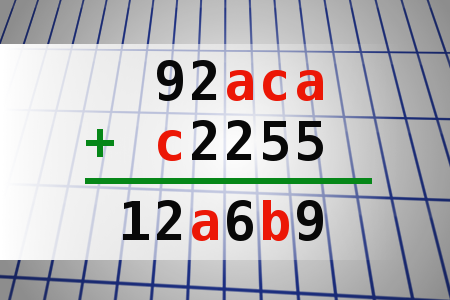
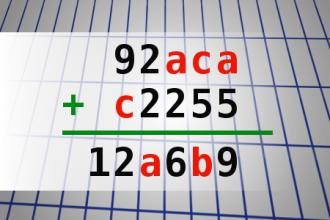
Find number abc
If 92aca + c2255 = 12a6b9 find number abc. Multiple solutions may exist.Correct answers: 33
The first user who solved this task is Djordje Timotijevic.
#brainteasers #math

Nuns Discussing Drinks
Arthur was sitting outside his local pub one day, enjoying a quiet pint and generally feeling good about himself, when a nun suddenly appears at his table and starts decrying the evils of drink.
"You should be ashamed of yourself young man! Drinking is a Sin! Alcohol is the blood of the devil!"
Now Arthur gets pretty annoyed about this, and goes on the offensive.
"How do *you* know, Sister?"
"My Mother Superior told me so"
"But have you ever had a drink yourself? How can you be sure that what you are saying is right?"
"Don't be ridiculous - of course I have never taken alcohol myself"
"Then let me buy you a drink - if you still believe afterwards that it is evil I will give up drink for life"
"How could I, a Nun, sit outside this public house drinking?!"
"I'll get the barman to put it in a teacup for you, them no-one will know"
The Nun reluctantly agrees, so Arthur goes inside to the bar.
"Another pint for me, and a triple vodka on the rocks", then he lowers his voice and says to the barman "... and could you put the vodka in a teacup?"
"Oh no! It's not that drunken Nun again is it?"
"You should be ashamed of yourself young man! Drinking is a Sin! Alcohol is the blood of the devil!"
Now Arthur gets pretty annoyed about this, and goes on the offensive.
"How do *you* know, Sister?"
"My Mother Superior told me so"
"But have you ever had a drink yourself? How can you be sure that what you are saying is right?"
"Don't be ridiculous - of course I have never taken alcohol myself"
"Then let me buy you a drink - if you still believe afterwards that it is evil I will give up drink for life"
"How could I, a Nun, sit outside this public house drinking?!"
"I'll get the barman to put it in a teacup for you, them no-one will know"
The Nun reluctantly agrees, so Arthur goes inside to the bar.
"Another pint for me, and a triple vodka on the rocks", then he lowers his voice and says to the barman "... and could you put the vodka in a teacup?"
"Oh no! It's not that drunken Nun again is it?"