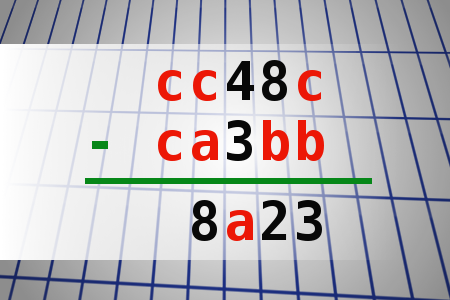
Find number abc
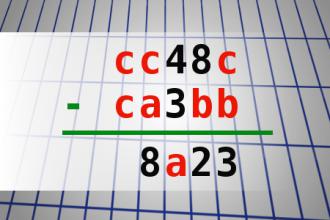
If cc48c - ca3bb = 8a23 find number abc. Multiple solutions may exist.Correct answers: 28
The first user who solved this task is Nasrin 24 T.
#brainteasers #math

Cal was out driving in the cou...
Cal was out driving in the country, seeing how his new car handled the curvy roads at high speeds. As he rounded a corner, one of his tires blew.
When he got out of the car to change the tire, he noticed that he had stopped in front of the state mental asylum. There was also a man sitting on the brick wall in front of the facility.
The driver went about his business, not paying any attention to the guy on the fence. He first took his tire iron and jack out of the car, and got the car jacked up. Then, he removed the hubcap. Next, he removed the six lug nuts, and placed them in the hubcap for safekeeping.
About this time, the guy on the fence decided to start a conversation. This startled the driver, and he reeled around quickly, knocking over the hubcap, and the lug nuts fell into the sewer drain.
The driver gets angry with the guy on the fence, shouting, "Now look what you made me do. Now I'm going to have to walk to town to buy some new lug nuts. Just go back inside and leave me be."
The guy on the fence says, "Why don't you just take one lug nut from each of your other three wheels, and use them on this one. That should hold it steady enough for you to drive the car to the auto parts store."
The driver asks, "That's a brilliant idea...then why are you here?"
The guy on the fence replies, "I'm just crazy, not stupid."
When he got out of the car to change the tire, he noticed that he had stopped in front of the state mental asylum. There was also a man sitting on the brick wall in front of the facility.
The driver went about his business, not paying any attention to the guy on the fence. He first took his tire iron and jack out of the car, and got the car jacked up. Then, he removed the hubcap. Next, he removed the six lug nuts, and placed them in the hubcap for safekeeping.
About this time, the guy on the fence decided to start a conversation. This startled the driver, and he reeled around quickly, knocking over the hubcap, and the lug nuts fell into the sewer drain.
The driver gets angry with the guy on the fence, shouting, "Now look what you made me do. Now I'm going to have to walk to town to buy some new lug nuts. Just go back inside and leave me be."
The guy on the fence says, "Why don't you just take one lug nut from each of your other three wheels, and use them on this one. That should hold it steady enough for you to drive the car to the auto parts store."
The driver asks, "That's a brilliant idea...then why are you here?"
The guy on the fence replies, "I'm just crazy, not stupid."