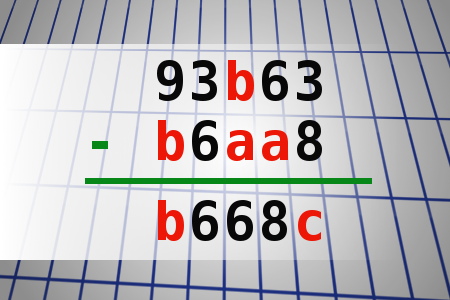
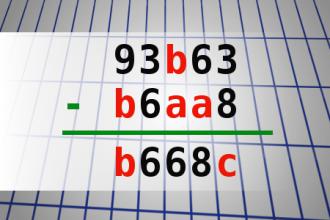
Find number abc
If 93b63 - b6aa8 = b668c find number abc. Multiple solutions may exist.Correct answers: 1
#brainteasers #math

One Sunday morning, the pastor...
One Sunday morning, the pastor noticed little Alex standing in the foyer of the church staring up at a large plaque. It was covered with names and small American flags mounted on either side of it.
The six-year old had been staring at the plaque for some time, so the pastor walked up, stood beside the little boy and said quietly, "Good morning, Alex."
"Good morning, Pastor," he replied, still focused on the plaque. "Pastor, what is this?"
The pastor replied, "Well, son, it's a memorial to all the young men and women who died in the service."
Soberly, they just stood together, staring at the large plaque. Finally, little Alex's voice, barely audible and trembling with fear asked,"Which service, the 8:00 or the 9:30?"
The six-year old had been staring at the plaque for some time, so the pastor walked up, stood beside the little boy and said quietly, "Good morning, Alex."
"Good morning, Pastor," he replied, still focused on the plaque. "Pastor, what is this?"
The pastor replied, "Well, son, it's a memorial to all the young men and women who died in the service."
Soberly, they just stood together, staring at the large plaque. Finally, little Alex's voice, barely audible and trembling with fear asked,"Which service, the 8:00 or the 9:30?"