Find the right combination
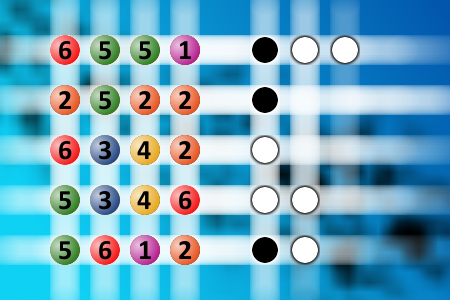
The computer chose a secret code (sequence of 4 digits from 1 to 6). Your goal is to find that code. Black circles indicate the number of hits on the right spot. White circles indicate the number of hits on the wrong spot.Correct answers: 67
The first user who solved this task is Roxana zavari.
#brainteasers #mastermind

The elderly priest, speaking t...
The elderly priest, speaking to the younger priest, said, "It was a good idea to replace the first four pews with plush bucket theater seats. It worked like a charm. The front of the church always fills first now."
The young priest nodded, and the old priest continued, "And you told me adding a little more beat to the music would bring young people back to church, so I supported you when you brought in that rock'n'roll gospel choir. Now our services are consistently packed to thebalcony."
"Thank you, Father," answered the young priest. "I am pleased that you are open to the new ideas of youth."
"All of these ideas have been well and good," said the elderly priest, "but I'm afraid you've gone too far with the drive-thru confessional."
"But, Father," protested the young priest, "my confessions and the donations have nearly doubled since I began that!"
"Yes," replied the elderly priest, "and I appreciate that.
But the flashing neon sign, 'Toot 'n Tell or Go to Hell' cannot stay on the church roof.
The young priest nodded, and the old priest continued, "And you told me adding a little more beat to the music would bring young people back to church, so I supported you when you brought in that rock'n'roll gospel choir. Now our services are consistently packed to thebalcony."
"Thank you, Father," answered the young priest. "I am pleased that you are open to the new ideas of youth."
"All of these ideas have been well and good," said the elderly priest, "but I'm afraid you've gone too far with the drive-thru confessional."
"But, Father," protested the young priest, "my confessions and the donations have nearly doubled since I began that!"
"Yes," replied the elderly priest, "and I appreciate that.
But the flashing neon sign, 'Toot 'n Tell or Go to Hell' cannot stay on the church roof.