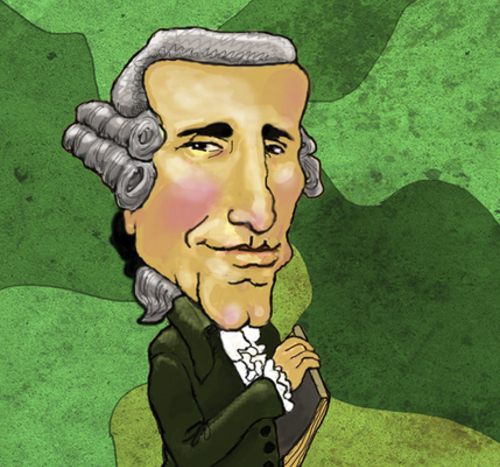
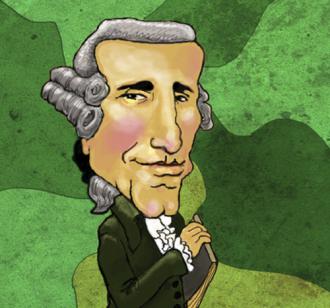
Guess the name of musician
Look carefully caricature and guess the name of musician.Correct answers: 20
The first user who solved this task is H Tav.
#brainteasers #music

Women And Golf
2 women were playing golf. On the third hole there was a 4 men in front of them but about 175 yards down the fairway.
The first woman said i'll tee off he is far enough away. She hit the drive of her life, like a shot straight down the faraway. She screamed fore at the top of her lungs and as the men turned one was hit solidly. He was rolling on the ground in pain with his hands between his legs.
She ran to him, apologizing and saying "let me help I am a physical therapist." He protested but she got him to put his hands at his side. She unzipped his pants and began massaging him.
"How does that feel?" she asked. He said, "Great, but my thumb still hurts like hell."
The first woman said i'll tee off he is far enough away. She hit the drive of her life, like a shot straight down the faraway. She screamed fore at the top of her lungs and as the men turned one was hit solidly. He was rolling on the ground in pain with his hands between his legs.
She ran to him, apologizing and saying "let me help I am a physical therapist." He protested but she got him to put his hands at his side. She unzipped his pants and began massaging him.
"How does that feel?" she asked. He said, "Great, but my thumb still hurts like hell."