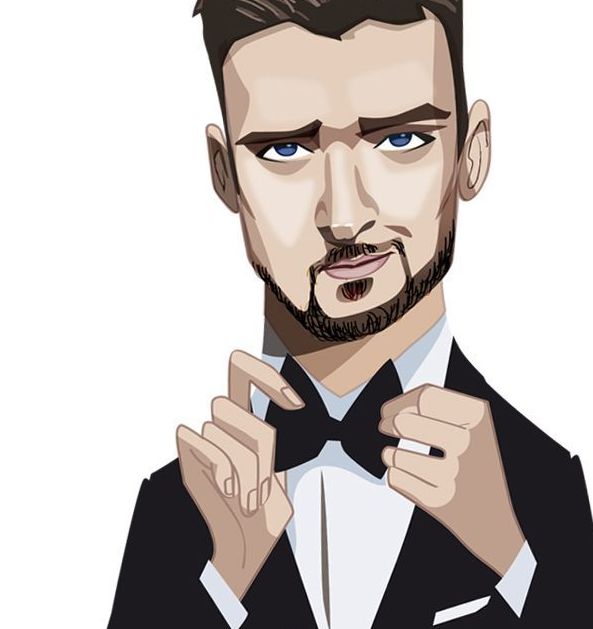
Guess the name of musician
Look carefully caricature and guess the name of musician.
17 Thanksgiving jokes and quotes
My family told me to stop telling Thanksgiving jokes, but I told them I couldn't just quit "cold turkey."
Knock Knock.
Who's there?
Norma Lee.
Norma Lee who?
Norma Lee I don't eat this much!
A lady was picking through the frozen turkeys at the grocery store for Thanksgiving Day, but she couldn't find one big enough for her family. She turned to the stock boy and asked, "Do these turkeys get any bigger?" "No, ma'am," he replied. "They're dead."
What is a turkey’s favorite dessert? - Peach gobbler!
Mom wants you to help us fix Thanksgiving dinner.
Dad: Why? Is it broken?
Knock Knock.
Who's there?
Tamara.
Tamara who? Tamara we'll have turkey leftovers!
Why did the cranberries turn red?
Because they saw the turkey dressing!
Why do pilgrims’ pants always fall down?
Because they wear their belt buckles on their hats!
What did the turkey say to the computer?
“Google, google, google.”
What do you get if you divide the circumference of a pumpkin by its diameter?
Pumpkin pi.
A new survey found that 80% of men claim they help cook Thanksgiving dinner. Which makes sense, when you hear they consider saying 'that smells good' to be helping.
Jimmy Fallon
Who is not hungry at Thanksgiving?
The turkey because it’s already stuffed!
Why did the turkey cross the road twice?
To prove he wasn't chicken.
"What did the mother turkey say to her disobedient children?"
"If your father could see you now, he'd turn over in his gravy!"
What do you call a turkey on the day after Thanksgiving?
Lucky.
If Pilgrims were alive today, what would they be known for?
Their age!
What did the hipster say the day after Thanksgiving?
A: I liked the leftovers before they were cool.