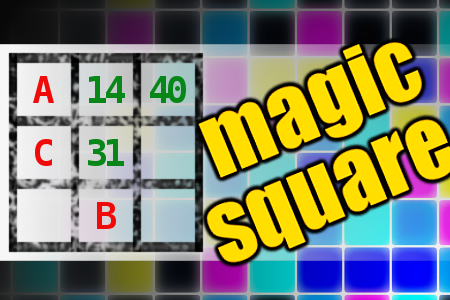
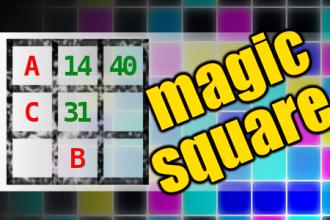
MAGIC SQUARE: Calculate A*B+C
The aim is to place the some numbers from the list (14, 16, 25, 29, 31, 40, 68, 70, 77, 79, 81) into the empty squares and squares marked with A, B an C. Sum of each row and column should be equal. All the numbers of the magic square must be different. Find values for A, B, and C. Solution is A*B+C.Correct answers: 0
#brainteasers #math #magicsquare

An old man walks into a bar, s...
An old man walks into a bar, sits down, and starts crying.
The bartender asks, “What’s wrong?” The old man looks at the bartender through Teary eyes and between sobs says, “I married a beautiful woman two days ago. She’s a natural blonde, twenty-five, intelligent, a marvelous cook, a meticulous housekeeper, extremely sensitive to my wants and needs, very giving, my best friend, and intensely passionate in bed.”
The bartender stares at the old man for a brief moment and says, “But that sounds great! You have what every man wants in a woman, so why are crying?”
The old man looks at the bartender and says, “I can’t remember where I live!”
The bartender asks, “What’s wrong?” The old man looks at the bartender through Teary eyes and between sobs says, “I married a beautiful woman two days ago. She’s a natural blonde, twenty-five, intelligent, a marvelous cook, a meticulous housekeeper, extremely sensitive to my wants and needs, very giving, my best friend, and intensely passionate in bed.”
The bartender stares at the old man for a brief moment and says, “But that sounds great! You have what every man wants in a woman, so why are crying?”
The old man looks at the bartender and says, “I can’t remember where I live!”