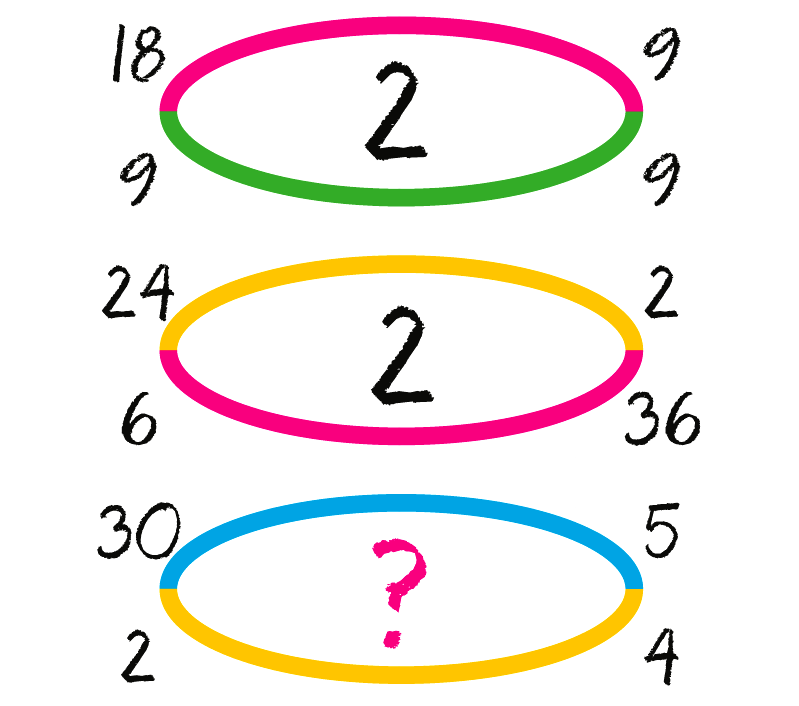
MATH PUZZLE: Can you replace...
MATH PUZZLE: Can you replace the question mark with a number?Correct answers: 277
The first user who solved this task is Donya Sayah30.
#brainteasers #math #riddles

A wealthy merchant of 84 marri...
A wealthy merchant of 84 married a 25 year old fashion model. They had a wonderful honeymoon in Aruba but, unfortunately, the old boy suffered a coronary and was hospitalized.
When his young wife came to see him, the old man said, "Sweetheart, your future has been taken care of regardless of what happens to me. You will have an income of $250,000 a year, my home in Palm Springs, my ranch in Texas, my Mercedes. You'll never need to worry about money."
"Oh, sweetheart, please don't talk that way," his young wife exclaimed. "You've been so good to me already. If you go, I'll be devastated. Oh, there must be something I can do to help you. Please, tell me what I can do?"
"Well," the old man gasped, "you can quit pinching the inlet tube to my oxygen supply for starters."
When his young wife came to see him, the old man said, "Sweetheart, your future has been taken care of regardless of what happens to me. You will have an income of $250,000 a year, my home in Palm Springs, my ranch in Texas, my Mercedes. You'll never need to worry about money."
"Oh, sweetheart, please don't talk that way," his young wife exclaimed. "You've been so good to me already. If you go, I'll be devastated. Oh, there must be something I can do to help you. Please, tell me what I can do?"
"Well," the old man gasped, "you can quit pinching the inlet tube to my oxygen supply for starters."