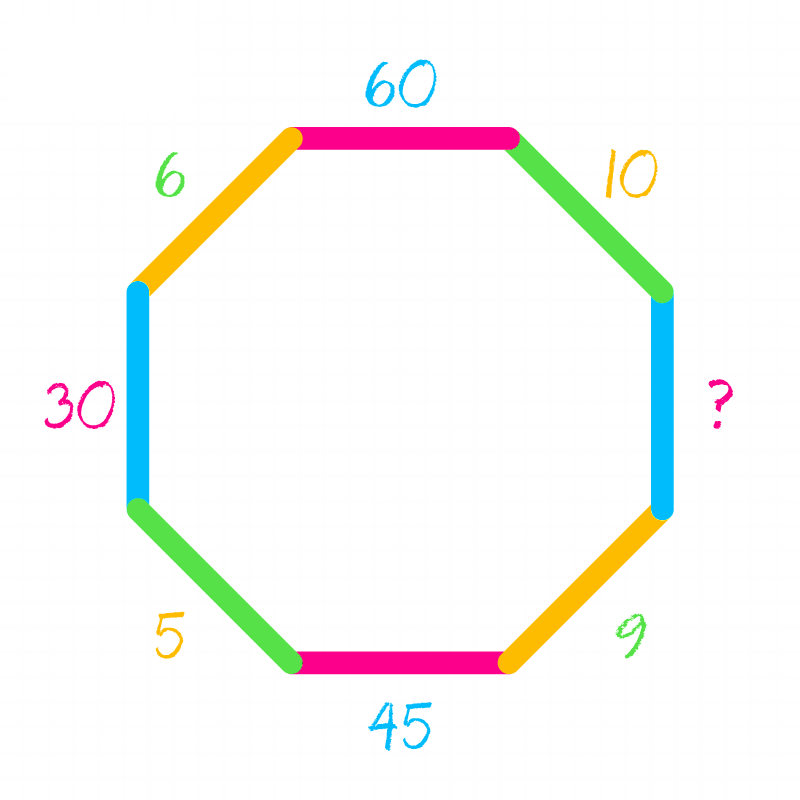
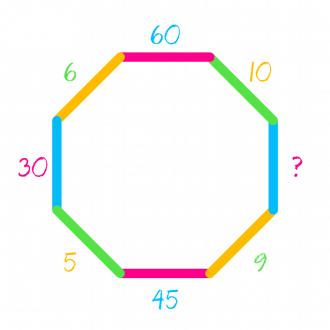
Replace the question mark with a number
[4069] Replace the question mark with a number - MATH PUZZLE: Can you replace the question mark with a number? - #brainteasers #math #riddles - Correct Answers: 129 - The first user who solved this task is Thinh Ddh
BRAIN TEASERS
enter your answer and press button OK

Replace the question mark with a number

MATH PUZZLE: Can you replace the question mark with a number?
Correct answers: 129
The first user who solved this task is Thinh Ddh.
#brainteasers #math #riddles
Register with your Google Account and start collecting points.
Check your ranking on list.

Kissing Blarney Stone

A group of Americans were touring Ireland.

One woman in the group was constantly grumbling: The bus seats are uncomfortable. The food is terrible. It's too hot. It's too cold. The accommodations are awful.

The group reached the site of the famous Blarney Stone. "Kissing the Blarney Stone brings good luck all your life," the guide explained. "Unfortunately, it's being cleaned today, so no one can kiss it. Maybe we can return tomorrow."

"We can't be here tomorrow," the cantankerous woman snapped. "We have another dull tour to attend. So, I guess we can't kiss that silly stone."

"Well," the guide replied, "it's said that if you kiss someone who has kissed the stone, you'll receive the same good fortune."

"I suppose you've kissed the stone," the woman scoffed.

"No, ma'am," the exasperated guide responded, "but I've sat on it."

Jokes of the day - Daily updated jokes. New jokes every day.
Follow Brain Teasers on social networks

Brain Teasers

puzzles, riddles, mathematical problems, mastermind, cinemania...

Killer bee

In 1993, the first lab test was released in Arizona confirming a bee involved in a fatal on attack on a small dog at a Tucson home was an Africanized honey bee. Because of their more intense defensive swarming behaviour, such non-native bees earned the name "killer bee" in the media. Arizona was the second state to be invaded, less than three years after this species spread north into Texas from Mexico. Since the fifties, the bees had extended their range northward through Central America. Their original source was from cross-breeding with tropical African bees imported into Brazil for experimental work.
This site uses cookies to store information on your computer. Some are essential to help the site properly. Others give us insight into how the site is used and help us to optimize the user experience. See our privacy policy.