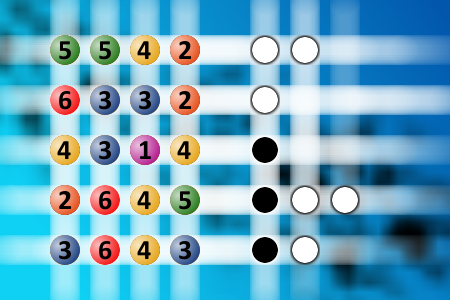
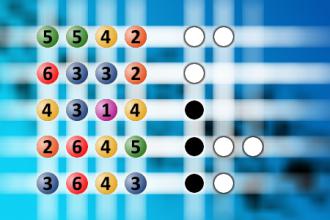
What a winning combination?
The computer chose a secret code (sequence of 4 digits from 1 to 6). Your goal is to find that code. Black circles indicate the number of hits on the right spot. White circles indicate the number of hits on the wrong spot.Correct answers: 0
#brainteasers #mastermind

Golf Story
A guy receives an ad in the mail for a golf resort where everything costs one dollar. He jumps at the offer and heads off for a weekend of fun in the sun.
He arrives and plays a round of golf. It cost him a buck. When he goes for dinner that evening, it costs him another buck. His room is only a buck a day!
The day before he's to check out, he heads out to play a last round and stops by the pro shop and charges a sleeve of three balls to his room.
When he's checking out next morning, he looks at the bill and sees:
Golf: $1.00
Dinner: $1.00
Room: $1.00.
Sleeve of golf balls: $3,000.00
He asks the Manager, "What is this all about? Everything is supposed to cost one dollar, and you charged me three thousand for three golf balls?"
"I'm sorry, sir, said the manager, but you didn't read the fine print in our promotional brochure. That's what our golf balls cost."
"Well, said the man, If I wanted to spend that kind of money, I could've gone to that luxury hotel across the street and paid them a thousand dollars a day for a room. At least I would've known what I was paying for!"
"That's right, sir, you could have, said the manager. Over there they get you by the room. Over here we get you by the balls!"
He arrives and plays a round of golf. It cost him a buck. When he goes for dinner that evening, it costs him another buck. His room is only a buck a day!
The day before he's to check out, he heads out to play a last round and stops by the pro shop and charges a sleeve of three balls to his room.
When he's checking out next morning, he looks at the bill and sees:
Golf: $1.00
Dinner: $1.00
Room: $1.00.
Sleeve of golf balls: $3,000.00
He asks the Manager, "What is this all about? Everything is supposed to cost one dollar, and you charged me three thousand for three golf balls?"
"I'm sorry, sir, said the manager, but you didn't read the fine print in our promotional brochure. That's what our golf balls cost."
"Well, said the man, If I wanted to spend that kind of money, I could've gone to that luxury hotel across the street and paid them a thousand dollars a day for a room. At least I would've known what I was paying for!"
"That's right, sir, you could have, said the manager. Over there they get you by the room. Over here we get you by the balls!"