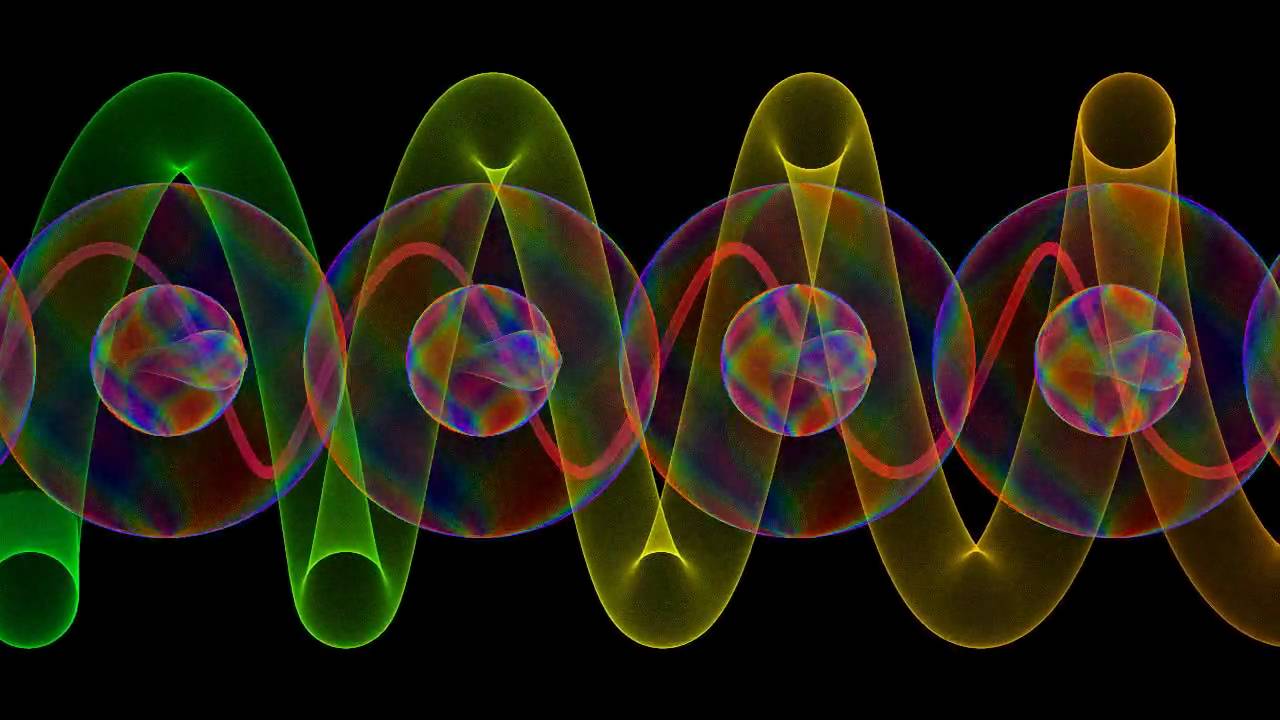
What hides this stereogram?
[3848] What hides this stereogram? - Stereogram - 3D Image - #brainteasers #stereogram #3Dimage
BRAIN TEASERS

What hides this stereogram?

Stereogram - 3D Image
#brainteasers #stereogram #3Dimage
Register with your Google Account and start collecting points.
Check your ranking on list.

Superbowl Ads

A man had 50 yard line tickets for the Super Bowl.
As he sat down, he noticed that the seat next to him was empty.
He asked the man on the other side of the empty seat whether anyone was sitting there.
"No," the man replied, "The seat is empty."
"This is incredible," said the first man.
"Who in their right mind would have a seat like this for the Super Bowl, the biggest sporting event in the world and not use it?"
The second man replied, "Well, actually, the seat belongs to me. I was supposed to come with my wife, but she passed away.
This will be the first Super bowl we haven't been together since we got married in 1967."
"Oh, I'm sorry to hear that. That's terrible. But couldn't you find someone else -- a friend or relative, or even a neighbor to take the seat?"
The man shook his head. "No, they're all at the funeral."

Jokes of the day - Daily updated jokes. New jokes every day.
Follow Brain Teasers on social networks

Brain Teasers

puzzles, riddles, mathematical problems, mastermind, cinemania...

Franz Karl Achard

Born 28 Apr 1753; died 20 Apr 1821 at age 67. German chemist and experimental physicist who invented a process for the large-scale extraction of table sugar (sucrose) from beets, and in 1801, opened the first sugar-beet factory, in Silesia (now Poland). At first, though simple, the method was costly, He improved it using suggestions of the Institute in France, including that the beets be pressed without cooking them, which saved much expense for fuel. He had succeeded Andreas Sigismund Marggraf upon his death (1782) as director of the “Class of Physics” at the Berlin Academy. It was Marggraf that had first discovered the presence of sugar in beet-root, and isolated it on an experimental scale in 1747. Achard also discovered a method for working platinum and was the first to prepare a platinum crucible (1784).
This site uses cookies to store information on your computer. Some are essential to help the site properly. Others give us insight into how the site is used and help us to optimize the user experience. See our privacy policy.