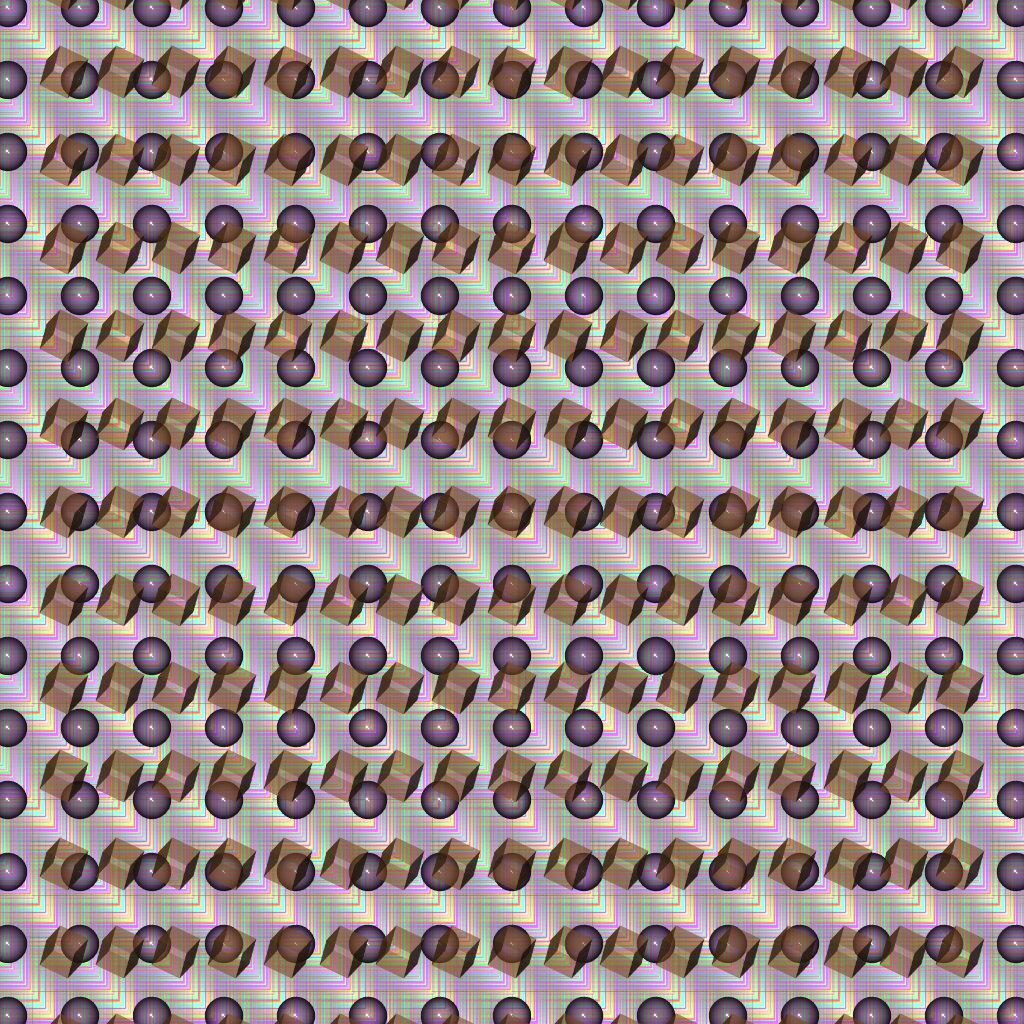
What hides this stereogram?
[3997] What hides this stereogram? - Stereogram - 3D Image - #brainteasers #stereogram #3Dimage
BRAIN TEASERS

What hides this stereogram?

Stereogram - 3D Image
#brainteasers #stereogram #3Dimage
Register with your Google Account and start collecting points.
Check your ranking on list.

Husband wanted

A lonely 70-year-old widow decided that it was time to marry again. She put an ad in the local newspaper that read: "Husband wanted! Must be in my age group, must not beat me, must not run around on me and must still be good in bed. All applicants please apply in person."

The following day, she heard the doorbell. Much to her dismay, she opened the door to see a gray-haired gentleman sitting in a wheelchair. He had no arms or legs.

"You're not really asking me to consider you, are you?" the widow asked: "Just look at you -- you have no legs!"

The old gent smiled: "Therefore, I cannot run around on you!"

"You don't have any arms either!" she snorted.

Again, the old man smiled: "Therefore, I can never beat you!"

She raised an eyebrow and asked intently: "Are you still good in bed?"

The old man leaned back, beamed a big smile and said: "I rang the doorbell, didn't I?"

Jokes of the day - Daily updated jokes. New jokes every day.
Follow Brain Teasers on social networks

Brain Teasers

puzzles, riddles, mathematical problems, mastermind, cinemania...

Elliott Coues

Died 25 Dec 1899 at age 57 (born 9 Sep 1842).American army surgeon and ornithologist whose Key to North American Birds (1872) was the first work of its kind to present a taxonomic classification of birds according to an artificial key and promoted the systematic study of North American. Beginning the U.S. army as a medical cadet during the Civil War (1862), he became an assistant surgeon (1864-81). His interest in the study of birds began while a boy. He met many naturalists at the Smithsonian Institution and published his first technical paper at age 19. As his army assignments took him to various locations throughout the West, he continued studying the bird life in each new area, and found new species. He also did valuable work in mammalogy and wrote a book, Fur-Bearing Animals (1877).«
This site uses cookies to store information on your computer. Some are essential to help the site properly. Others give us insight into how the site is used and help us to optimize the user experience. See our privacy policy.