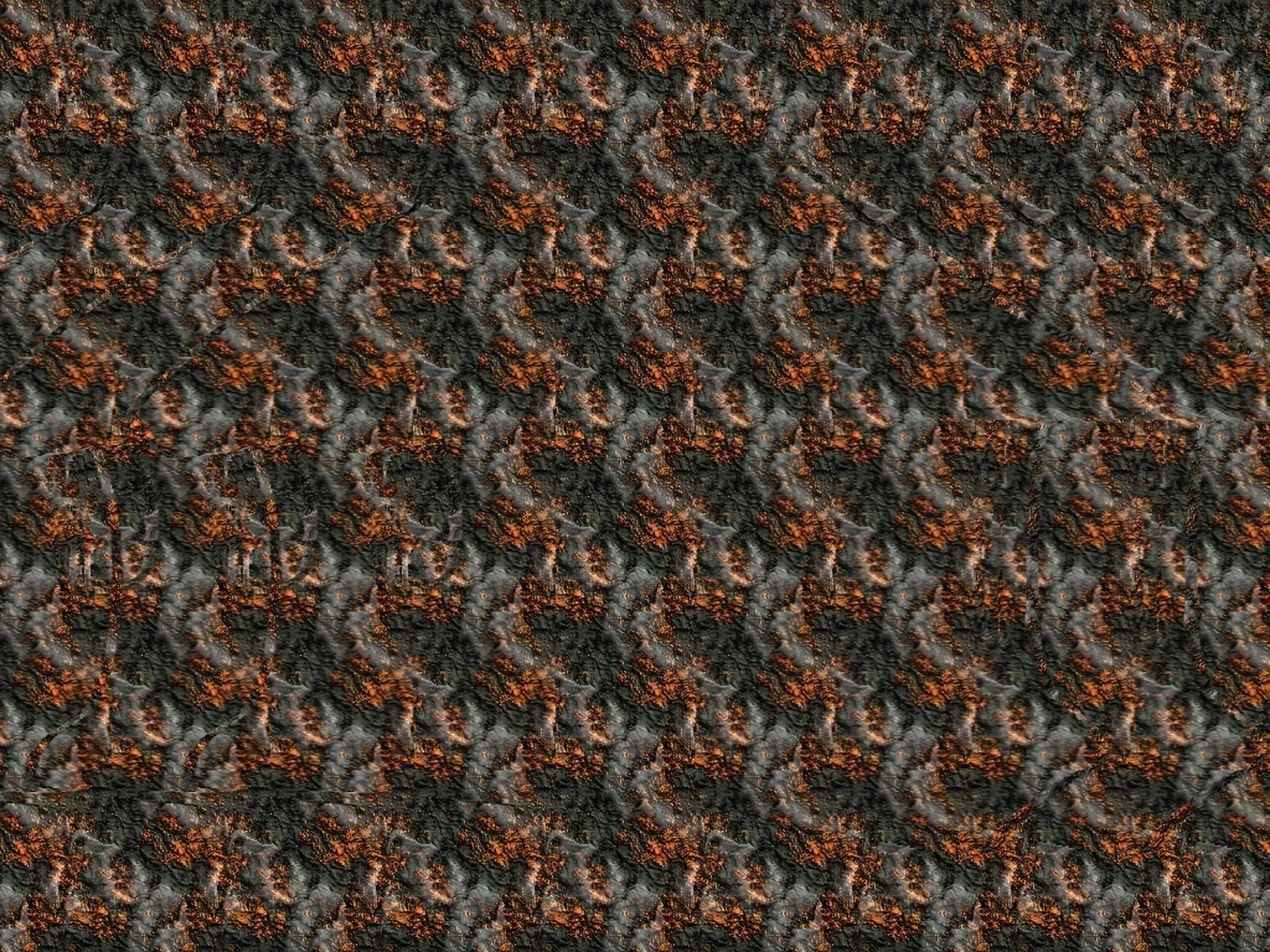
What hides this stereogram?
[4146] What hides this stereogram? - Stereogram - 3D Image - #brainteasers #stereogram #3Dimage
BRAIN TEASERS

What hides this stereogram?

Stereogram - 3D Image
#brainteasers #stereogram #3Dimage
Register with your Google Account and start collecting points.
Check your ranking on list.

Work virus

There is a dangerous virus going around. It is called WORK.

If you receive WORK from your colleagues, your boss, or anyone else, via e-mail or any other means, DO NOT TOUCH IT! This virus wipes out your private life completely.

If you should come into contact with WORK, put on your jacket, take two good friends and go straight to the nearest pub.

Order the antidote known as BEER. Take the antidote repeatedly until WORK has been completely eliminated from your system.

Forward this warning immediately to at least 5 friends. Should you realize that you do not have 5 friends, this means that you are already infected and that WORK already controls your life.

REMEMBER, THIS VIRUS IS DEADLY!

Jokes of the day - Daily updated jokes. New jokes every day.
Follow Brain Teasers on social networks

Brain Teasers

puzzles, riddles, mathematical problems, mastermind, cinemania...

Hans Joachim Pabst von Ohain

Born 14 Dec 1911; died 13 Mar 1998 at age 86.German aeronautical engineer who designed the first operational jet engine. Ohain, at age 22, conceived his theory of jet propulsion (1933) because to fly faster, airplanes could fly higher for lower air resistance, but there, propellers and piston engines worked badly. He saw turbojets as a solution, and took out his first patent on the gas-turbine jet engine in 1935, four years after Frank Whittle. By Sep 1937, Ohain had a hydrogen-fueled bench model producing a 250-km thrust. He designed the HeS3b turbojet engine that powered the first experimental jet aircraft, the He178, on its historic maiden flight at a top speed of about 350 mph on 27 Aug 1939, near Rostock, Germany. Whittle's first jet flew later, in 1941. His continued work on the gas-turbine engine during World War II resulted in abandonment of the centrifugal flow concept, and adoption of the axial flow compressor type engine. After WW II, Ohain worked for the U.S. airforce (1947-79). In 1945, he emigrated to the U.S. and became an engineer for the U.S. Air Force at its engine development centre. In 1956, Von Ohain became Director of the famed Air Force Aeronautical Research Laboratory.
This site uses cookies to store information on your computer. Some are essential to help the site properly. Others give us insight into how the site is used and help us to optimize the user experience. See our privacy policy.