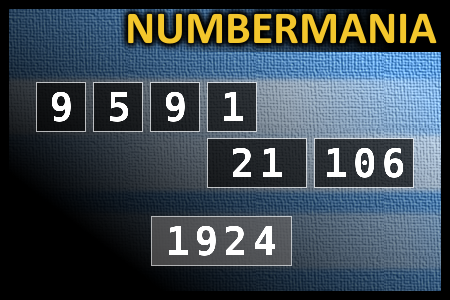
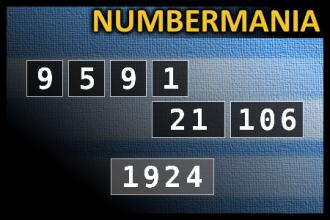
Calculate the number 1924
NUMBERMANIA: Calculate the number 1924 using numbers [9, 5, 9, 1, 21, 106] and basic arithmetic operations (+, -, *, /). Each of the numbers can be used only once.Correct answers: 40
The first user who solved this task is Sanja Šabović.
#brainteasers #math #numbermania

A trucker came into a truck st...
A trucker came into a truck stop cafe and placed his order. He said, "I want three flat tires, a pair of headlights and a pair of running boards."
The brand new blonde waitress, not wanting to appear stupid, went to the kitchen and said to the cook, "This guy out there just ordered three flat tires, a pair of headlights and a pair of running Boards. What does he think this place is, an auto parts store?"
"No," the cook said, "Three flat tires mean three pancakes, a pair of headlights is two eggs sunny side up, and running boards are 2 slices of crisp bacon."
"Oh, OK!" said the blonde. She thought about it for a moment and then spooned up a bowl of beans and gave it to the customer.
The trucker asked, "What are the beans for, Blondie?"
She replied, "I thought while you were waiting for the flat tires, headlights and running boards, you might as well gas up!"
The brand new blonde waitress, not wanting to appear stupid, went to the kitchen and said to the cook, "This guy out there just ordered three flat tires, a pair of headlights and a pair of running Boards. What does he think this place is, an auto parts store?"
"No," the cook said, "Three flat tires mean three pancakes, a pair of headlights is two eggs sunny side up, and running boards are 2 slices of crisp bacon."
"Oh, OK!" said the blonde. She thought about it for a moment and then spooned up a bowl of beans and gave it to the customer.
The trucker asked, "What are the beans for, Blondie?"
She replied, "I thought while you were waiting for the flat tires, headlights and running boards, you might as well gas up!"