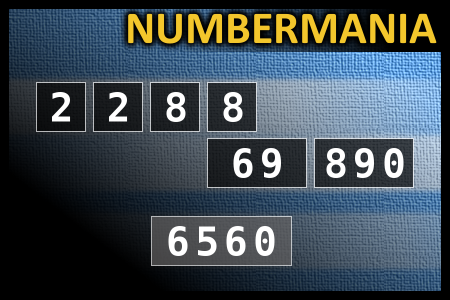
Calculate the number 6560
NUMBERMANIA: Calculate the number 6560 using numbers [2, 2, 8, 8, 69, 890] and basic arithmetic operations (+, -, *, /). Each of the numbers can be used only once.
A blonde lady motorist was about two hours from San Diego...
The man walked up to the car and asked, "Are you going to San Diego?" "Sure," answered the blonde, "do you need a lift?"
"Not for me. I'll be spending the next three hours fixing my truck. My problem is I've got two chimpanzees in the back that have to be taken to the San Diego Zoo. They're a bit stressed already so I don't want to keep them on the road all day. Could you possibly take them to the zoo for me? I'll give you $100 for your trouble”
"I'd be happy to," said the blonde.
So the two chimpanzees were ushered into the back seat of the blonde's car and carefully strapped into their seat belts, and off they went.
Five hours later, the truck driver was driving through the heart of San Diego when suddenly he was horrified!
There was the blonde walking down the street, holding hands with the two chimps, much to the amusement of a big crowd.
With a screech of brakes he pulled off the road and ran over to the blonde.
"What are you doing here?" he demanded, "I gave you $100 to take these chimpanzees to the zoo!"
"Yes, I know you did," said theblonde. "But we had money left over so now we're going to Sea World."