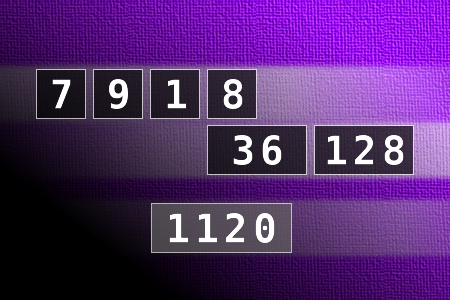
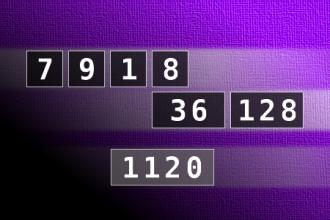
Calculate the number 1120
NUMBERMANIA: Calculate the number 1120 using numbers [7, 9, 1, 8, 36, 128] and basic arithmetic operations (+, -, *, /). Each of the numbers can be used only once.Correct answers: 9
The first user who solved this task is Nasrin 24 T.
#brainteasers #math #numbermania

Harry was finally a groom and...
Harry was finally a groom and was very excited about his upcoming marriage.
He was on his way out of the office when his boss came over to him with an outstretched hand, "Congratulations Harry! I just wanted to tell you I've been married for twenty two years, and I am sure that you will always remember this day with the fondest of memories, as the happiest day of your life."
"But sir", said Harry, a little bit confused, "I'm not getting married until tomorrow!"
"Yeah, I know," said his boss.
He was on his way out of the office when his boss came over to him with an outstretched hand, "Congratulations Harry! I just wanted to tell you I've been married for twenty two years, and I am sure that you will always remember this day with the fondest of memories, as the happiest day of your life."
"But sir", said Harry, a little bit confused, "I'm not getting married until tomorrow!"
"Yeah, I know," said his boss.