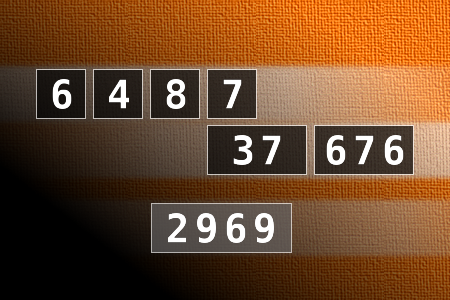
Calculate the number 2969
NUMBERMANIA: Calculate the number 2969 using numbers [6, 4, 8, 7, 37, 676] and basic arithmetic operations (+, -, *, /). Each of the numbers can be used only once.Correct answers: 23
The first user who solved this task is Djordje Timotijevic.
#brainteasers #math #numbermania

A man called to testify at the
A man called to testify at the Internal Revenue Service (IRS), asked his accountant for advice on what to wear.
"Wear your shabbiest clothing. Let him think you are a pauper," the accountant replied.
Then he asked his lawyer the same question, but got the opposite advice. "Do not let them intimidate you. Wear your most elegant suit and tie."
Confused, the man went to his Priest, told him of the conflicting advice, and requested some resolution of the dilemma."Let me tell you a story," replied the Priest.
"A woman, about to be married, asked her mother what to wear on her wedding night. 'Wear a heavy, long, flannel nightgown that goes right up to your neck.' But when she asked her best friend, she got conflicting advice. Wear your most sexy negligee, with a V neck right down to your navel."
The man protested: "What does all this have to do with my problem with the IRS?!"
"Simple", replied the Priest...
"It doesn't matter what you wear, you are going to get screwed!"
"Wear your shabbiest clothing. Let him think you are a pauper," the accountant replied.
Then he asked his lawyer the same question, but got the opposite advice. "Do not let them intimidate you. Wear your most elegant suit and tie."
Confused, the man went to his Priest, told him of the conflicting advice, and requested some resolution of the dilemma."Let me tell you a story," replied the Priest.
"A woman, about to be married, asked her mother what to wear on her wedding night. 'Wear a heavy, long, flannel nightgown that goes right up to your neck.' But when she asked her best friend, she got conflicting advice. Wear your most sexy negligee, with a V neck right down to your navel."
The man protested: "What does all this have to do with my problem with the IRS?!"
"Simple", replied the Priest...
"It doesn't matter what you wear, you are going to get screwed!"