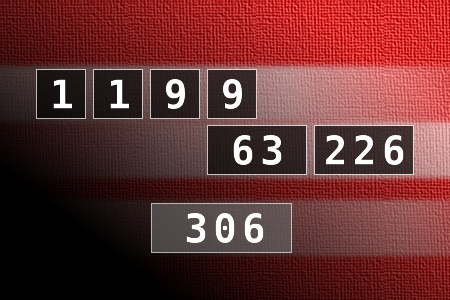
Calculate the number 306
NUMBERMANIA: Calculate the number 306 using numbers [1, 1, 9, 9, 63, 226] and basic arithmetic operations (+, -, *, /). Each of the numbers can be used only once.Correct answers: 14
The first user who solved this task is Nílton Corrêa de Sousa.
#brainteasers #math #numbermania

A husband and wife are sitting...
A husband and wife are sitting quietly in bed reading when the wife looks over at him and asks the question.
WIFE: "What would you do if I died? Would you get married again?"
HUSBAND: "Definitely not!"
WIFE: "Why not? Don't you like being married?"
HUSBAND: "Of course I do."
WIFE: "Then why wouldn't you remarry?"
HUSBAND: "Okay, okay, I'd get married again."
WIFE: "You would?" (with a hurt look)
HUSBAND: (makes audible groan)
WIFE: "Would you live in our house?"
HUSBAND: "Sure, it's a great house."
WIFE: "Would you sleep with her in our bed?"
HUSBAND: "Where else would we sleep?"
WIFE: "Would you let her drive my car?"
HUSBAND: "Probably, it is almost new."
WIFE: "Would you replace my pictures with hers?"
HUSBAND: "That would seem like the proper thing to do."
WIFE: "Would you give her my jewelry?"
HUSBAND: "No, I'm sure she'd want her own."
WIFE: "Would she use my golf clubs?"
HUSBAND: "No, she's left-handed."
WIFE: -- silence-
HUSBAND: "sh*t."
WIFE: "What would you do if I died? Would you get married again?"
HUSBAND: "Definitely not!"
WIFE: "Why not? Don't you like being married?"
HUSBAND: "Of course I do."
WIFE: "Then why wouldn't you remarry?"
HUSBAND: "Okay, okay, I'd get married again."
WIFE: "You would?" (with a hurt look)
HUSBAND: (makes audible groan)
WIFE: "Would you live in our house?"
HUSBAND: "Sure, it's a great house."
WIFE: "Would you sleep with her in our bed?"
HUSBAND: "Where else would we sleep?"
WIFE: "Would you let her drive my car?"
HUSBAND: "Probably, it is almost new."
WIFE: "Would you replace my pictures with hers?"
HUSBAND: "That would seem like the proper thing to do."
WIFE: "Would you give her my jewelry?"
HUSBAND: "No, I'm sure she'd want her own."
WIFE: "Would she use my golf clubs?"
HUSBAND: "No, she's left-handed."
WIFE: -- silence-
HUSBAND: "sh*t."