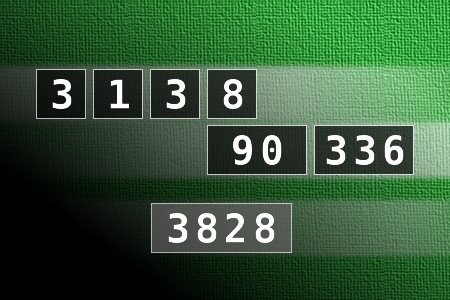
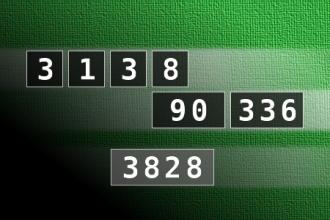
Calculate the number 3828
NUMBERMANIA: Calculate the number 3828 using numbers [3, 1, 3, 8, 90, 336] and basic arithmetic operations (+, -, *, /). Each of the numbers can be used only once.Correct answers: 0
#brainteasers #math #numbermania

Overcrowded Church
The two thousand member Baptist church was filled to overflowing capacity one Sunday morning. The preacher was ready to start the sermon when two men, dressed in long black coats and black hats entered thru the rear of the church.
One of the two men walked to the middle of the church while the other stayed at the back of the church. They both then reached under their coats and withdrew automatic weapons.
The one in the middle announced, "Everyone willing to take a bullet for Jesus stay in your seats!"
Naturally, the pews emptied, followed by the choir. The deacons ran out the door, followed by the choir director and the assistant pastor.
After a few moments, there were about twenty people left sitting in the church. The preacher was holding steady in the pulpit.
The men put their weapons away and said, gently, to the preacher, "All right, pastor, the hypocrites are gone now. You may begin the service."