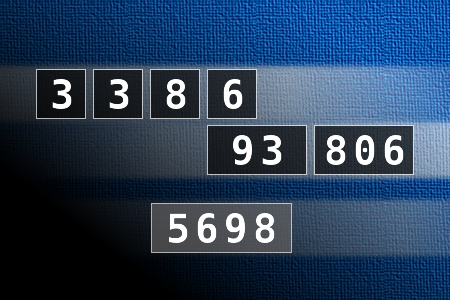
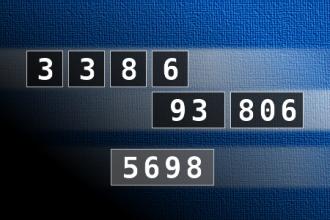
Calculate the number 5698
NUMBERMANIA: Calculate the number 5698 using numbers [3, 3, 8, 6, 93, 806] and basic arithmetic operations (+, -, *, /). Each of the numbers can be used only once.
Cookies
An elderly man lay dying in his bed. In death's agony, he suddenly smelled the aroma of his favorite chocolate chip cookies wafting up the stairs. He gathered his remaining strength, and lifted himself from the bed.
Leaning against the wall, he slowly made his way out of the bedroom, and with even greater effort forced himself down the stairs, gripping the railing with both hands.
With labored breath, he leaned against the door frame, gazing into the kitchen. Were it not for death's agony, he would have thought himself already in heaven. There, spread out upon newspapers on the kitchen table were literally hundreds of his favorite chocolate chip cookies.
Was it heaven? Or was it one final act of heroic love from his devoted wife, seeing to it that he left this world a happy man?
Mustering one great final effort, he threw himself toward the table, landing on his knees in a rumpled posture. His parched lips parted; the wondrous taste of the cookie was already in his mouth; seemingly bringing him back to life. The aged and withered hand, shakingly made its way to a cookie at the edge of the table, when it was suddenly smacked with a spatula by his wife.
"Stay out of those," she said, "they're for the funeral.