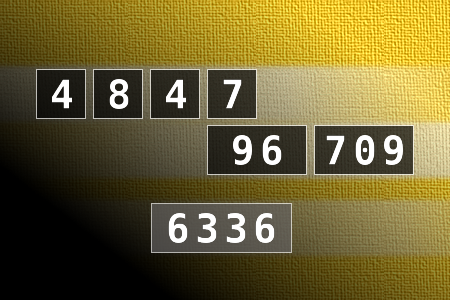
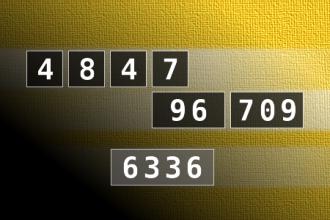
Calculate the number 6336
NUMBERMANIA: Calculate the number 6336 using numbers [4, 8, 4, 7, 96, 709] and basic arithmetic operations (+, -, *, /). Each of the numbers can be used only once.
28 Morbidly Amusing Dark Humor Jokes to Tickle Your Macabre Side
If you find these jokes funny, something is probably wrong with you!
I was digging in the garden and happened to find a chest with a lot of gold coins.
I wanted to run home to tell my wife about it.
Then I remembered why I was digging in the garden.
What's yellow and can't swim?
A bus full of children.
The doctor gave me one month to live, so I shot him with my gun.
The judge gave me 15 years.
What do you call a dog with no legs?
It doesn't matter what you call him, anyway he won't come.
Cremation is my final hope for a smoking-hot body.
What's the last thing in a fly's head as it hits the windshield of a car going 100 mph?
It's behind.
What's worse than biting an apple and then discovering a worm?
Biting the apple, then discovering half a worm.
When ordering dinner at a restaurant, I asked the waiter how they prepared their chicken.
He explained.
"We just tell them they're going to die."
An apple a day keeps the doctor away only if you throw it hard enough.
Why can't orphans play baseball?
They don't know where their home is.
Welcome back to Plastic Surgery Anonymous.
It's nice to see new faces here today!
Why can't you have a book on how to commit suicide in a library?
Because you wouldn't return it back.
What makes sad people jump?
Bridges.
I don't have any carbon footprint.
I drive everywhere.
I wished to die, but then I got a job.
Now I want to pass out.
What do you call a bacterial disease that is caused by two grizzlies?
Twobearculosis.
My doctor told me to stop eating red meat,
so now I dye it orange.
Why are overweight babysitters an awful idea?
The babies always get crushed when they sit on them.
How do you stop a baby from choking?
Let go of his neck.
When I see the lovers' names written on a tree, I don't find it romantic or cute.
I find it weird how people would take knives on their dates.
I was shocked when I found out my toaster was not waterproof.
A dark joke is like food,
which many people don't get.
If you think I am joking about Alzheimer's,
forget it.
Where did Lucy go during the bombing?
Everywhere.
It's important to have a perfect vocabulary.
If I had known to distinguish between anecdote and antidote, one of my good friends would still be alive.
You're not useless.
You can always be used as a bad example.
I have jokes about unemployed people,
but sadly, none work.
What did the frog say at his puppeteer's funeral?
Not a word.