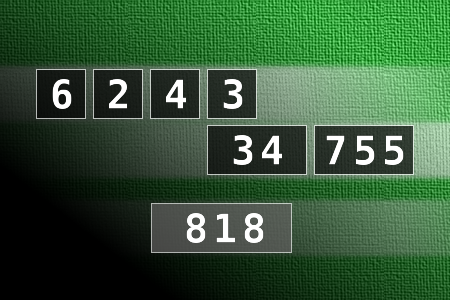
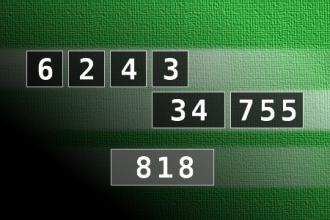
Calculate the number 818
NUMBERMANIA: Calculate the number 818 using numbers [6, 2, 4, 3, 34, 755] and basic arithmetic operations (+, -, *, /). Each of the numbers can be used only once.Correct answers: 21
The first user who solved this task is Djordje Timotijevic.
#brainteasers #math #numbermania

A frog walks into a bank. He g...
A frog walks into a bank. He goes to the only open teller, and sees that her name is Paddy Whack. "Hey, listen" says the frog. "I really need a loan! I'm out of work, and my wife and tadpoles are at home starving! I need money so I can feed them and provide for them!"
Now Paddy feels very sorry for the poor frog and asks him if he has any collateral. He holds up a small glass elephant. Paddy is a little surprised by this, and quite unsure, but she feels so sorry for the the poor frog that she takes the elephant to her manager. "Mr. Manager, sir," Paddy begins "there is a frog out there who deperately needs a loan. He's out of work and he has a wife and tadpoles who are at home starving. He needs some money so he can provide for them! But all he has for collateral is this little glass elephant. What should I do?"
Well, Mr. Manager takes a good hard look at that elephant, thinks about it a little, and then replies, "It's a knick-knack, Paddy Whack, give the frog a loan!"