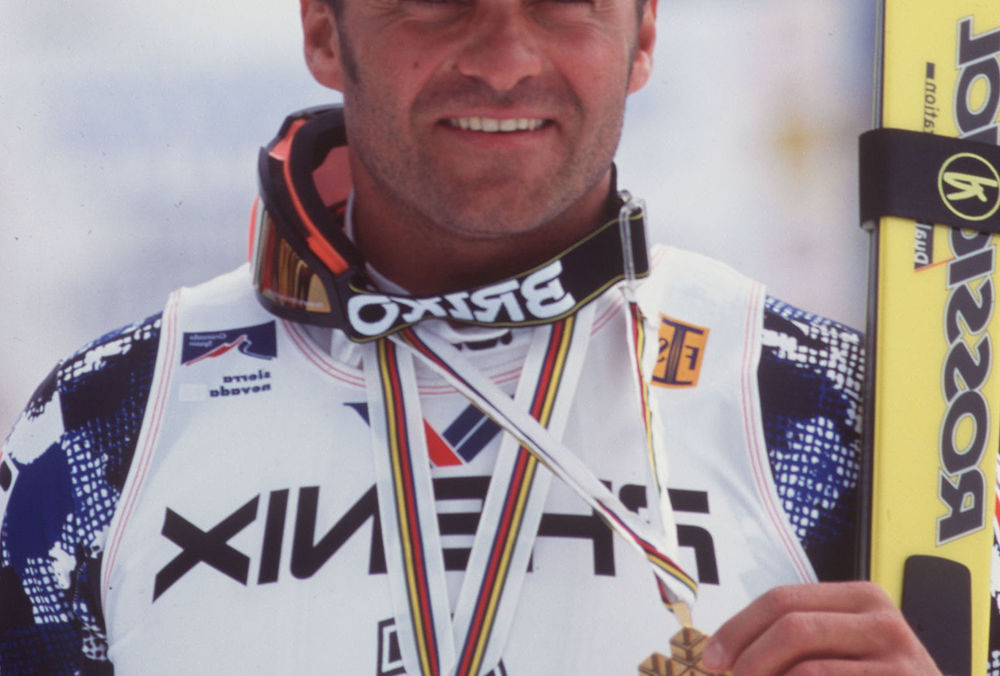

Can you name the athletes by the picture?
[3201] Can you name the athletes by the picture? - Can you name the athletes by the picture? - #brainteasers #riddles #sport - Correct Answers: 37 - The first user who solved this task is Roxana zavari
BRAIN TEASERS
enter your answer and press button OK

Can you name the athletes by the picture?

Can you name the athletes by the picture?
Correct answers: 37
The first user who solved this task is Roxana zavari.
#brainteasers #riddles #sport
Register with your Google Account and start collecting points.
Check your ranking on list.

The Art Of Falling Apart

There's quite an art to falling apart as the years go by,
And life doesn't begin at 40. That's a big fat lie.

My hair's getting thinner, my body is not;
The few teeth I have are beginning to rot.

I smell of Vick's-Vapo-Rub, not Chanel #5;
My new pacemaker's all that keeps me alive.

When asked of my past, every detail I'll know,
But what was I doing 10 minutes ago?

Well, you get the idea, what more can I say?
I'm off to read the obit, like I do every day;

If my name's not there, I'll once again start
Perfecting the art of falling apart!

Jokes of the day - Daily updated jokes. New jokes every day.
Follow Brain Teasers on social networks

Brain Teasers

puzzles, riddles, mathematical problems, mastermind, cinemania...

Emil Fischer

Died 15 Jul 1919 at age 66 (born 9 Oct 1852). German chemist who was awarded the Nobel Prize for Chemistry in 1902 in recognition of his investigations of the sugar and purine groups of substances. He determined the structures of uric acid, xanthine, caffeine, theobromine, and other related compounds, and showed they are all derivatives of a single compound, a nitrogenous base that he named purine. His study of sugars led him to investigate the reactions and substances involved in fermentation, leading to his investigations of how enzymes break down sugars. Thus, Fischer laid the foundations for enzyme chemistry. During WW I Fischer was responsible for organizing the production of chemicals in Germany. He committed suicide in 1919, after two of his sons had been killed in the war.
This site uses cookies to store information on your computer. Some are essential to help the site properly. Others give us insight into how the site is used and help us to optimize the user experience. See our privacy policy.