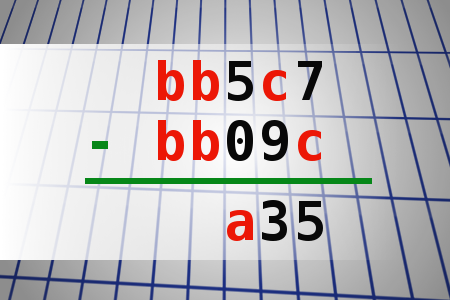
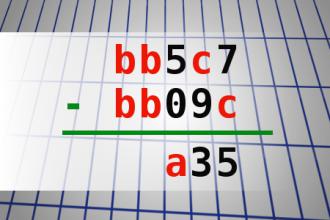
Find number abc
If bb5c7 - bb09c = a35 find number abc. Multiple solutions may exist.
International Dance Day Jokes: Celebrate on April 29th With Some Serious Dancefloor Laughs
April 29th is International Dance Day—time to move your feet and your funny bone! Celebrate with these dance jokes that have better rhythm than most of us on a Friday night
I started taking salsa dancing lessons but just don’t feel like I’m progressing...
It’s one step forwards, two steps back.
I have decided to give up tap dancing; it's too dangerous.
I fell off and twisted my ankle in the sink.
Why don't dogs make good dancers?
Because they have two left feet!
Check some older International Dance Day Jokes
How many dance teachers does it take to change a light bulb?
5678
Why do dancers say 5, 6, 7, 8?
Because the musicians already took 1, 2, 3, 4.
A guy takes his wife out for the night and they end up at a disco where there’s a guy on the dance floor giving it large – breakdancing, moonwalking, backflips, every dance move going. The wife turns to her husband and says...
“See that guy on the dance floor? 25 years ago, he proposed to me and I turned him down.”
The husband replies, “It looks like he’s still celebrating.”
I had a fish that could breakdance on the floor...
But only for like 30 seconds... and only once.
What kind of monster is the best dancer?
The Boogieman!
Where do fortune tellers dance?
At the crystal ball.
What is a pretzel's favorite dance?
The Twist.
I told my mother-in-law that I would dance on her grave when she died.
Just to spite me, she got buried at sea.
What do you call a log that can dance?
A logarithm.