PALINDROME (1446908782)
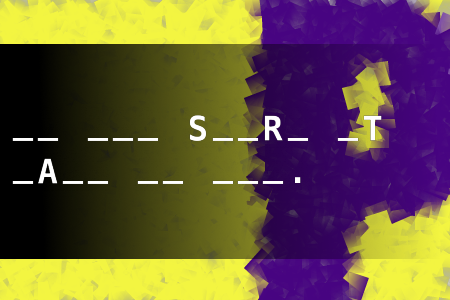
Make the palindrome of the following letters: A, A, A, D, D, N, N, O, O, O, O, R, R, S, S, T, T, T, T, T, TCorrect answers: 42
The first user who solved this task is Sanja Šabović.
#brainteasers #wordpuzzles #palindrome

Reasons To Allow Drinking At Work
The below are valid reasons as to why drinking should be allowed at work. If you use them wisely, you may even be able to convince your boss into allowing alcohol.
1. It's an incentive to show up.
2. It reduces stress.
3. It leads to more honest communications.
4. It reduces complaints about low pay.
5. It cuts down on time off because you can work with a hangover.
6. Employees tell management what they think, not what management wants to hear.
7. It helps save on heating costs in the winter.
8. It encourages carpooling.
9. Increases job satisfaction because if you have a bad job you don't care.
10. It eliminates vacations because people would rather come to work.
11. It makes fellow employees look better.
12. It makes the cafeteria food taste better.
13. Bosses are more likely to hand out raises when they are wasted.
14. Salary negotiations are a lot more profitable.
15. If something does something stupid on the job, it will be quickly forgotten.
1. It's an incentive to show up.
2. It reduces stress.
3. It leads to more honest communications.
4. It reduces complaints about low pay.
5. It cuts down on time off because you can work with a hangover.
6. Employees tell management what they think, not what management wants to hear.
7. It helps save on heating costs in the winter.
8. It encourages carpooling.
9. Increases job satisfaction because if you have a bad job you don't care.
10. It eliminates vacations because people would rather come to work.
11. It makes fellow employees look better.
12. It makes the cafeteria food taste better.
13. Bosses are more likely to hand out raises when they are wasted.
14. Salary negotiations are a lot more profitable.
15. If something does something stupid on the job, it will be quickly forgotten.