PALINDROME
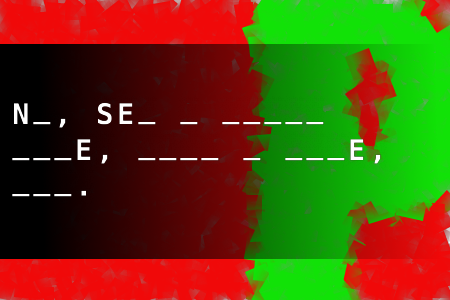
Make the palindrome of the following letters: A, A, A, A, E, E, E, E, E, E, H, H, L, L, M, M, N, N, O, O, P, P, R, S, S, T, TCorrect answers: 27
The first user who solved this task is Sanja Šabović.
#brainteasers #wordpuzzles #palindrome

You Might Be A Redneck If ...
You might be a redneck if...
On your first date you had to ask your Dad to borrow the keys to the tractor.
Your parakeet knows the phrase "Open up, Police!"
You saved lots of money on your honeymoon by going deer hunting.
In tough situations you ask yourself, "What would Curly do?"
Taking your wife on a cruise means circling the Dairy Queen.
You think the last words to the Star Spangled Banner are "Play Ball..."
You have a color coordinating rope that ties down your car hood.
You bring your dog to work with you.
Your grandmother can correctly execute the sleeper hold.
You've ever held somebody up with a caulk gun.
On your first date you had to ask your Dad to borrow the keys to the tractor.
Your parakeet knows the phrase "Open up, Police!"
You saved lots of money on your honeymoon by going deer hunting.
In tough situations you ask yourself, "What would Curly do?"
Taking your wife on a cruise means circling the Dairy Queen.
You think the last words to the Star Spangled Banner are "Play Ball..."
You have a color coordinating rope that ties down your car hood.
You bring your dog to work with you.
Your grandmother can correctly execute the sleeper hold.
You've ever held somebody up with a caulk gun.