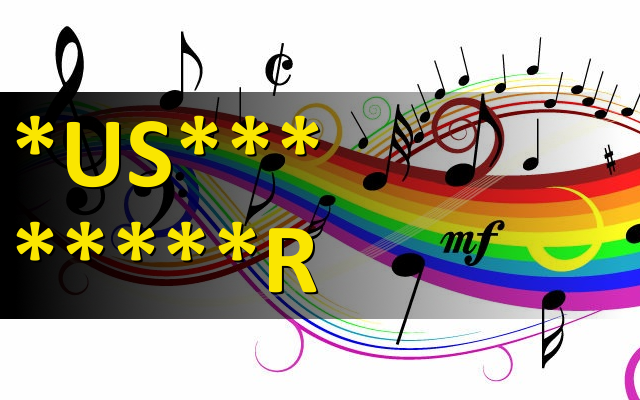
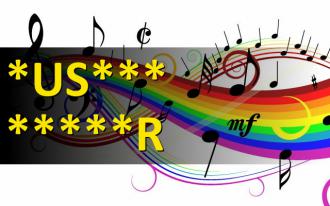
Replace asterisk symbols with ...
Replace asterisk symbols with a letters (*US*** *****R) and guess the name of musician. Length of words in solution: 6,6.Correct answers: 40
The first user who solved this task is On On Lunarbasil.
#brainteasers #music

There was a blonde who was sic...
There was a blonde who was sick of all the blonde jokes. One day, she decided to get a make over, so she cut and dyed her hair. She went driving down a country road and came across a herd of sheep. She stopped and called the sheep herder over."Tell you what. I have a proposition for you," said the woman.
"If I can guess the exact number of sheep in your flock, can I take one home?"
"Sure," said the sheep herder. So, she sat up and looked at the herd for a second and then replied "382".
"Wow!" said the herder.
"That is exactly right. Go ahead and pick out the sheep you want to take home." So the woman went and picked one out and put it in her car.
Then, the herder said, "Okay, now I have a proposition for you".
"What is it?" queried the woman.
"If I can guess the real color of your hair, can I have my dog back?"
"If I can guess the exact number of sheep in your flock, can I take one home?"
"Sure," said the sheep herder. So, she sat up and looked at the herd for a second and then replied "382".
"Wow!" said the herder.
"That is exactly right. Go ahead and pick out the sheep you want to take home." So the woman went and picked one out and put it in her car.
Then, the herder said, "Okay, now I have a proposition for you".
"What is it?" queried the woman.
"If I can guess the real color of your hair, can I have my dog back?"