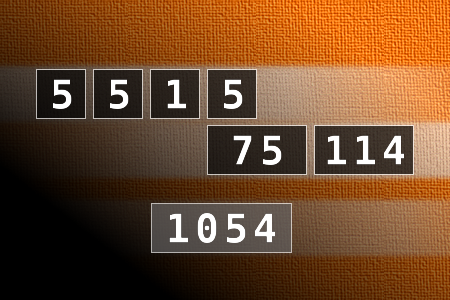
Calculate the number 1054
NUMBERMANIA: Calculate the number 1054 using numbers [5, 5, 1, 5, 75, 114] and basic arithmetic operations (+, -, *, /). Each of the numbers can be used only once.Correct answers: 9
The first user who solved this task is Nílton Corrêa de Sousa.
#brainteasers #math #numbermania

Question And Answer
Q: What is the definition of an accountant?
A: Someone who solves a problem, you didn't know you had, in a way you don't understand.
Q: What does an accountant do for birth control?
A. He talks about his business.
Q: What is an extroverted accountant?
A: One who looks at your shoes while he's talking to you instead of his own.
Q: What is an insolvency practitioner?
A: Someone who arrives after the battle and bayonets all the wounded.
There are just three types of accountants:
Those who can count and those who can't.
Q: Why did the auditor cross the road?
A: Because he looked in the file and that's what they did last year.
Q: How do you drive an accountant completely insane?
A: Tie him to a chair, stand in front of him and fold up a road map the wrong way.
Q: What do accountants suffer from that ordinary people don't?
A: Depreciation.
Q: What is the difference between a lawyer and an accountant?
A: The accountant knows he is boring.
Q: How was copper wire invented?
A: Two accountants were arguing over a penny.
Q: What's an auditor?
A: Someone who arrives after the battle and bayonets all the wounded.
Q: When does a person decide to become an accountant?
A: When he realizes he doesn't have the charisma to succeed as an undertaker.
Q: What's the definition of a good tax accountant?
A: Someone who has a loophole named after him.
Q: What's an extroverted accountant?
A: One who looks at your shoes while he's/she's talking to you instead of his/her own.
Accountants don't die, they just lose their balance.
Q: What's an accountant's idea of trashing his/her hotel room?
A: Refusing to fill out the guest comment card.
Q: What's a shy and retiring accountant?
A: An accountant who is half a million shy and that's why he's/she's retiring.
Q: What's an actuary?
A: An accountant without the sense of humor.
Q: Why do some accountants decide to become actuaries?
A: They find bookkeeping too exciting.
Q: What do actuaries do to liven up their office party?
A: Invite an accountant.
Q: What is GAAP (generally accepted accounting principles)?
A: The difference between accounting theory and practice.
A: Someone who solves a problem, you didn't know you had, in a way you don't understand.
Q: What does an accountant do for birth control?
A. He talks about his business.
Q: What is an extroverted accountant?
A: One who looks at your shoes while he's talking to you instead of his own.
Q: What is an insolvency practitioner?
A: Someone who arrives after the battle and bayonets all the wounded.
There are just three types of accountants:
Those who can count and those who can't.
Q: Why did the auditor cross the road?
A: Because he looked in the file and that's what they did last year.
Q: How do you drive an accountant completely insane?
A: Tie him to a chair, stand in front of him and fold up a road map the wrong way.
Q: What do accountants suffer from that ordinary people don't?
A: Depreciation.
Q: What is the difference between a lawyer and an accountant?
A: The accountant knows he is boring.
Q: How was copper wire invented?
A: Two accountants were arguing over a penny.
Q: What's an auditor?
A: Someone who arrives after the battle and bayonets all the wounded.
Q: When does a person decide to become an accountant?
A: When he realizes he doesn't have the charisma to succeed as an undertaker.
Q: What's the definition of a good tax accountant?
A: Someone who has a loophole named after him.
Q: What's an extroverted accountant?
A: One who looks at your shoes while he's/she's talking to you instead of his/her own.
Accountants don't die, they just lose their balance.
Q: What's an accountant's idea of trashing his/her hotel room?
A: Refusing to fill out the guest comment card.
Q: What's a shy and retiring accountant?
A: An accountant who is half a million shy and that's why he's/she's retiring.
Q: What's an actuary?
A: An accountant without the sense of humor.
Q: Why do some accountants decide to become actuaries?
A: They find bookkeeping too exciting.
Q: What do actuaries do to liven up their office party?
A: Invite an accountant.
Q: What is GAAP (generally accepted accounting principles)?
A: The difference between accounting theory and practice.