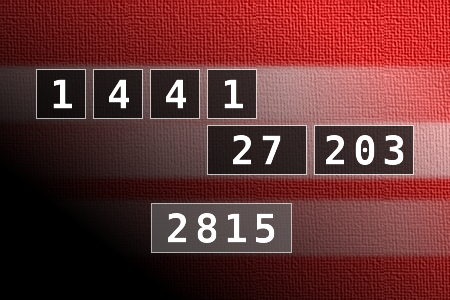
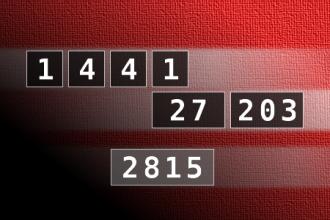
Calculate the number 2815
NUMBERMANIA: Calculate the number 2815 using numbers [1, 4, 4, 1, 27, 203] and basic arithmetic operations (+, -, *, /). Each of the numbers can be used only once.Correct answers: 11
The first user who solved this task is Nílton Corrêa de Sousa.
#brainteasers #math #numbermania

A guy gets set up on a blind d...
A guy gets set up on a blind date and he takes her out for dinner to a very expensive restaurant to make a good impression. The waiter approaches the table and asks to take their order.
The lady begins ordering practically everything on the menu, shrimp cocktail, pate, Caesar Salad, lobster, crepes Suzette, with no regard to the price. The guy is getting very upset, as he never thought she would order so much.
She then stops, and looks across at him, and asks, "What do you suggest I wash it down with?"
"Well my dear, how about the Mississippi river?"
The lady begins ordering practically everything on the menu, shrimp cocktail, pate, Caesar Salad, lobster, crepes Suzette, with no regard to the price. The guy is getting very upset, as he never thought she would order so much.
She then stops, and looks across at him, and asks, "What do you suggest I wash it down with?"
"Well my dear, how about the Mississippi river?"