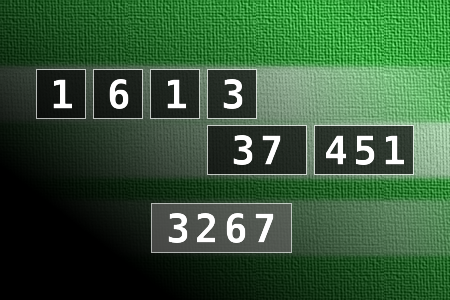
Calculate the number 3267
NUMBERMANIA: Calculate the number 3267 using numbers [1, 6, 1, 3, 37, 451] and basic arithmetic operations (+, -, *, /). Each of the numbers can be used only once.Correct answers: 13
The first user who solved this task is Nasrin 24 T.
#brainteasers #math #numbermania

You Might Be A Redneck If...
You've ever given a set of Tupperware ice tea glasses as a wedding present.
Your dungarees expose more than half of your crack in the back because the weight of your pocket knife.
Your idea of heaven involves two shotguns and a keg of beer.
You picket your horses on your lawn so you won't have to mow it.
You're wearing a camoflauge jacket and dipping in your driver's license pic.
You stop to flirt with the person running the drive through at McDonalds.
You save old kitchen appliances for target practice.
You save old kitchen appliances for children's Christmas presents.
You get up EARLY on Saturday to go yard sale shopping for entertainment.
Your gun cabinet takes up half your living room.
Your dungarees expose more than half of your crack in the back because the weight of your pocket knife.
Your idea of heaven involves two shotguns and a keg of beer.
You picket your horses on your lawn so you won't have to mow it.
You're wearing a camoflauge jacket and dipping in your driver's license pic.
You stop to flirt with the person running the drive through at McDonalds.
You save old kitchen appliances for target practice.
You save old kitchen appliances for children's Christmas presents.
You get up EARLY on Saturday to go yard sale shopping for entertainment.
Your gun cabinet takes up half your living room.