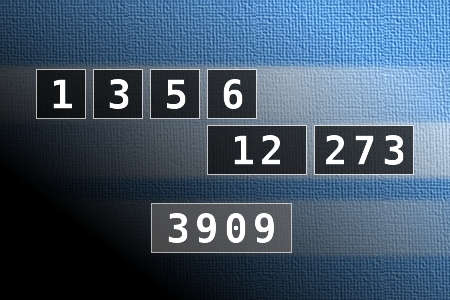
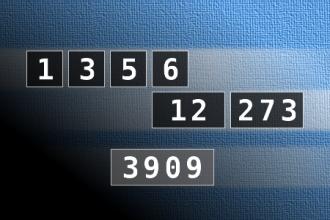
Calculate the number 3909
NUMBERMANIA: Calculate the number 3909 using numbers [1, 3, 5, 6, 12, 273] and basic arithmetic operations (+, -, *, /). Each of the numbers can be used only once.Correct answers: 20
The first user who solved this task is Manguexa Wagle.
#brainteasers #math #numbermania

A young monk arrives at the mo...
A young monk arrives at the monastery. He is assigned to helping the other monks in copying the old canons and laws of the church by hand.
He notices, however, that all of the monks are copying from copies,not from the original manuscript. So, the new monk goes to the head abbot to question this, pointing out that if someone made even a small error in the first copy,it would never be picked up! In fact, that error would be continued in all of the subsequent copies.
The head monk, says, "We have been copying from the copies for centuries,but you make a good point, my son."
He goes down into the dark caves underneath the monastery where the original manuscripts are held as archives in a locked vault that hasn't been opened for hundreds of years. Hours go by and nobody sees the old abbot.
So, the young monk gets worried and goes down to look for him.He sees him banging his head against the wall and wailing.
"We missed the R!
We missed the R!
We missed the R!"
His forehead is all bloody and bruised and he is crying uncontrollably. The young monk asks the old abbot, "What's wrong, father?"
With A choking voice, the old abbot replies, "The word was..
CELEBRATE"
He notices, however, that all of the monks are copying from copies,not from the original manuscript. So, the new monk goes to the head abbot to question this, pointing out that if someone made even a small error in the first copy,it would never be picked up! In fact, that error would be continued in all of the subsequent copies.
The head monk, says, "We have been copying from the copies for centuries,but you make a good point, my son."
He goes down into the dark caves underneath the monastery where the original manuscripts are held as archives in a locked vault that hasn't been opened for hundreds of years. Hours go by and nobody sees the old abbot.
So, the young monk gets worried and goes down to look for him.He sees him banging his head against the wall and wailing.
"We missed the R!
We missed the R!
We missed the R!"
His forehead is all bloody and bruised and he is crying uncontrollably. The young monk asks the old abbot, "What's wrong, father?"
With A choking voice, the old abbot replies, "The word was..
CELEBRATE"