
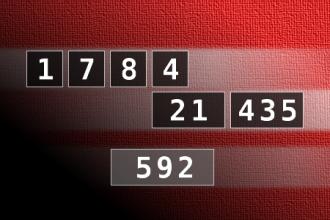
Calculate the number 592
NUMBERMANIA: Calculate the number 592 using numbers [1, 7, 8, 4, 21, 435] and basic arithmetic operations (+, -, *, /). Each of the numbers can be used only once.Correct answers: 14
The first user who solved this task is Nasrin 24 T.
#brainteasers #math #numbermania

Confuse Traffic Signs
A cop pulls over a carload of nuns.
Cop: "Sister, this is a 65 MPH highway -- why are you going so slow?"
Sister: "Sir, I saw a lot of signs that said 22, not 65."
Cop: "Oh sister, that's not the speed limit, that's the name of the highway you're on!
Sister: Oh! Silly me! Thanks for letting me know. I'll be more careful.
At this point the cop looks in the backseat where the other nuns are shaking and trembling.
Cop: Excuse me, Sister, what's wrong with your friends back there? They're shaking something terrible.
Sister: Oh, we just got off of highway 119.