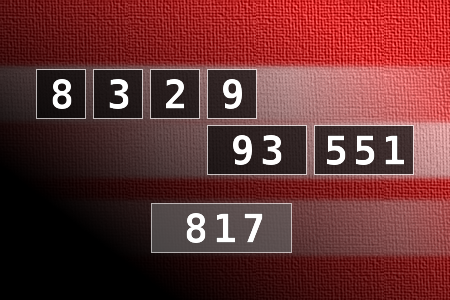
Calculate the number 817
NUMBERMANIA: Calculate the number 817 using numbers [8, 3, 2, 9, 93, 551] and basic arithmetic operations (+, -, *, /). Each of the numbers can be used only once.
21 Bastille Day jokes
Bastille Day is the national day of France, which is celebrated on 14 July each year. Have fun with some revolutionary jokes!
What is the most important part of jokes about the French Revolution?
The execution.
Do you know that the French Revolution was kind of a pain in the neck?
But once it was over it was a weight off of some people’s shoulders.
What did the Aristocrat say when he heard the French Revolution happening in the streets?
"Oh! What a peasant surprise!"
Did you hear the one about Bastille Day?
It’s a riot.
Why is the French Revolution just like Prohibition?
They both got rid of Bourbon!
Why did King Louis despise the peasants?
He found them revolting.
What’s your funniest pickup line for Bastille Day?
"Hey girl, are you the French Revolution?
Because I keep imagining you sans-culottes!"
Have you ever seen the play about the French Revolution?
The scene with Marie Antoinette was perfectly executed.
Do you know that anyone can use our Bastille Day jokes?
It’s royalty free.
How do Americans celebrate Bastille Day?
By storming their wine cellar.
A kid was talking to his dad about Bastille Day. He said, "Isn’t that the day when everyone robs all the fish from the water?
" "Bass-steal day".
What do they call Independence Day in France?
A Royale-free with cheese!
Why is the rooster France’s national emblem?
It’s the only bird that still sings when it’s standing on a shit pile.
Have you heard about Bastille Day?
Its the last time the French showed any balls.
Why do French bakers always bake extra bread on Bastille Day?
Because they know everyone’s going to "storm" their bakery!/p>
What was the primary role of the aristocrats during the French Revolution?
They put their head into it.
Why don’t they play cards in France on Bastille Day?
Because everyone’s afraid of the "revolutionary" hand!
During the French Revolution, what was the executioner’s catchphrase?
"First come, first severed!"
Why are fireworks set off on Bastille Day?
It’s the only way to make a louder bang than the one made when they stormed the Bastille!
What is the difference between Bastille Day and the 4th Of July?
Bastille Day is just like the Fourth of July except it takes place in France and Americans don’t care about it!
A French nobleman’s estate was destroyed during the French Revolution.
The results were château-strophic.