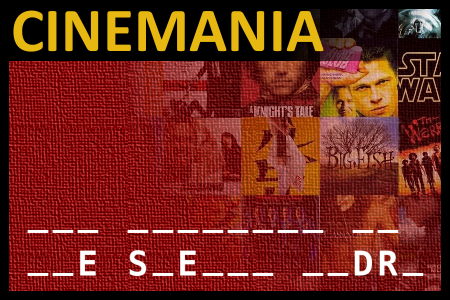
CINEMANIA: Guess the movie title
Film was made in 1948.Correct answers: 39
The first user who solved this task is Djordje Timotijevic.
#brainteasers #movie #film #cinemania

A Poisonous Wife
A man goes to see his Rabbi.
"Rabbi, something terrible is happening and I have to talk to you about it."
The Rabbi asks, "What's wrong?"
The man replied, "My wife is poisoning me."
The Rabbi, very surprised by this, asks, "How can that be?"
The man then pleads, "I'm telling you I'm certain she's poisoning me, what should I do?"The Rabbi then offers, "Tell you what. Let me talk to her, I'll see what I can find out and I'll let you know."
The next day the Rabbi calls the man and says, "Well, I spoke to your wife on the phone yesterday for over three hours. You want my advice?"
The man anxiously answers, "Yes."
"Take the poison," says the Rabbi.
"Rabbi, something terrible is happening and I have to talk to you about it."
The Rabbi asks, "What's wrong?"
The man replied, "My wife is poisoning me."
The Rabbi, very surprised by this, asks, "How can that be?"
The man then pleads, "I'm telling you I'm certain she's poisoning me, what should I do?"The Rabbi then offers, "Tell you what. Let me talk to her, I'll see what I can find out and I'll let you know."
The next day the Rabbi calls the man and says, "Well, I spoke to your wife on the phone yesterday for over three hours. You want my advice?"
The man anxiously answers, "Yes."
"Take the poison," says the Rabbi.