 |
 |
Flex Wordle |
 |
Task 388 - ZAPPY, GLUTS, PIZZA
Average Number Of Attempts: 3.00
Correct Answers: 1 - Total Answers: 3
Correct Answers: 1 - Total Answers: 3
Rules
Guess the Flex WORDLE in 3 tries. After each try, the color of the tiles will change to show how close your guess is to the solution.
If the tile becomes GREEN, your number or operation is located at correct place. If the tile becomes RED, your number or opeartion exists within the expression, but at different place.
Joke Of The Day
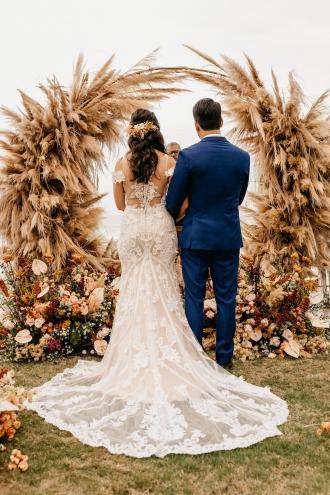
A woman's perogative...
Little Mary was at her first wedding and gaped at the entire ceremony.
When it was over, she asked her mother, "Why did the lady change her mind?"
Her mother replied, "What do you mean?"
"Well, she went down the aisle with one man, and came back with another one."
Source: JokesOfTHeDay.net - Brain Teasers Partner
On This Day
Isambard Kingdom BrunelDied 15 Sep 1859 at age 53 (born 9 Apr 1806). English civil and mechanical engineer of great originality and productivity who designed the first transatlantic steamer, the Great Western. In 1823, he began work with his father, Marc Brunel, on the Thames Tunnel, and later became the resident engineer at the site. In 1829, Brunel designed a suspension bridge to cross the River Avon at Clifton. In 1831, he was appointed chief engineer at the Bristol Docks, and Brunel later designed the Monkwearmouth Docks and others at Plymouth, Cardiff, Brentford and Milford Haven. In 1833, age 27, he was appointed chief engineer of the Great Western Railway, the line that linked London to Bristol. He further built bridges, viaducts, and three steam ships: the Great Western, Great Britain and Great Eastern.« |
This site uses cookies to store information on your computer. Some are essential to help the site properly. Others give us insight into how the site is used and help us to optimize the user experience. See our privacy policy.


