Chess Knight Move
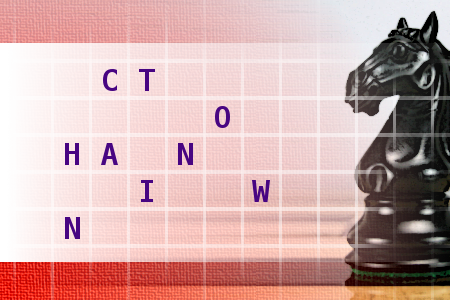
[6404] Chess Knight Move - Find the title of movie, using the move of a chess knight. First letter is C. Length of words in solution: 9. - #brainteasers #wordpuzzles #chessknightmove - Correct Answers: 29 - The first user who solved this task is Nasrin 24 T
BRAIN TEASERS
enter your answer and press button OK

Chess Knight Move

Find the title of movie, using the move of a chess knight. First letter is C. Length of words in solution: 9.
Correct answers: 29
The first user who solved this task is Nasrin 24 T.
#brainteasers #wordpuzzles #chessknightmove
Register with your Google Account and start collecting points.
Check your ranking on list.

An eagle was sitting on a tree...

An eagle was sitting on a tree resting, doing nothing.
A small rabbit saw the eagle and asked him, 'Can I also sit like you and do nothing?'The eagle answered: 'Sure, why not.'
So, the rabbit sat on the ground below the eagle and rested. All of a sudden, a fox appeared, jumped on the rabbit and ate it.
Moral of the story:
To be sitting and doing nothing, you must be sitting very, very high up.
Jokes of the day - Daily updated jokes. New jokes every day.
Follow Brain Teasers on social networks

Brain Teasers

puzzles, riddles, mathematical problems, mastermind, cinemania...

Cool-stored blood transfusion

In 1916, blood that had been stored and cooled was used for the first time in a blood transfusion performed by the R.A.M.C. The procedure was very successful. Blood transfusions had been made previously, but this demonstrated the value of cooling to store blood. Until 1913, direct transfusion was the only technique practiced, despite being a difficult and time-consuming method, requiring trained personnel and was impractical for as a procedure in sudden emergencies. In the last two years of World War I, British surgeons benefitted from knowledge derived in the U.S. Use of blood collected and stored in advance of the need as casualties arrived facilitated transfusions as needed.[Image: blood transfusion was a mature procedure to treat casualties in World War II]
This site uses cookies to store information on your computer. Some are essential to help the site properly. Others give us insight into how the site is used and help us to optimize the user experience. See our privacy policy.