Find number abc
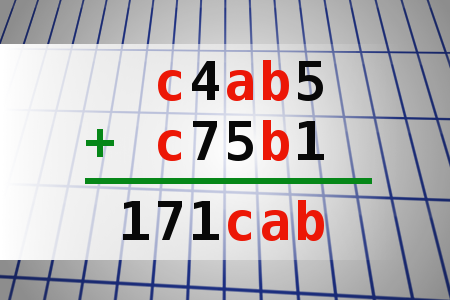
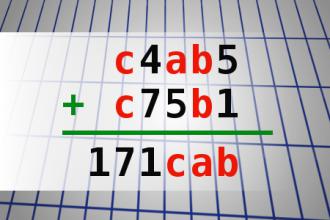
If c4ab5 + c75b1 = 171cab find number abc. Multiple solutions may exist.Correct answers: 23
The first user who solved this task is Nasrin 24 T.
#brainteasers #math

Deep Thoughts
1. Nothing stinks more than that moment during an argument when you realize you're wrong.
2. I totally take back all those times I didn't want to nap when I was younger.
3. There is a great need for a sarcasm font.
4. Sometimes, I'll watch a movie that I watched when I was younger and suddenly realize I had no idea what was going on when I first saw it.
5. I would rather try to carry 10 plastic grocery bags in each hand than take 2 trips to bring my groceries in.
6. I think part of a best friend's job should be to immediately clear your computer history if you die.
7. Was learning to write in cursive really necessary?
8. I have a hard time deciphering the fine line between boredom and hunger.
9. How many times is it appropriate to say "What?" before you just nod and smile because you still didn't hear what they said?
10. I love the sense of camaraderie when an entire line of cars teams up to prevent a jerk from cutting in at the front.. Stay strong, brothers and sisters!
11. MapQuest really needs to start their directions on #5. Pretty sure I know how to get out of my neighborhood.
12. Obituaries would be a lot more interesting if they told you how the person died.
13. Bad decisions make good stories.
14. You never know when it will strike, but there comes a moment at work when you've made up your mind that you just aren't doing anything productive for the rest of the day.
15. Can we all just agree to ignore whatever comes after DVDs? I don't want to have to restart my collection.
16. I hate when I just miss a call by the last ring, but when I immediately call back, it rings nine times and goes to voicemail. What'd you do after I didn't answer? Drop the phone and run away?
17. I hate leaving my house confident and looking good and then not seeing anyone of importance the entire day. What a waste.
18. It should probably be called Unplanned Parenthood.
19. Even under ideal conditions people have trouble locating their car keys in a pocket and Pinning the Tail on the Donkey - but I'd bet everyone can find and push the Snooze button from 3 feet away, in about 1.7 seconds, eyes closed, first time every time...
20. I disagree with Kay Jewelers. I would bet on any given Friday or Saturday night more kisses begin with Miller Lites than Kay.
2. I totally take back all those times I didn't want to nap when I was younger.
3. There is a great need for a sarcasm font.
4. Sometimes, I'll watch a movie that I watched when I was younger and suddenly realize I had no idea what was going on when I first saw it.
5. I would rather try to carry 10 plastic grocery bags in each hand than take 2 trips to bring my groceries in.
6. I think part of a best friend's job should be to immediately clear your computer history if you die.
7. Was learning to write in cursive really necessary?
8. I have a hard time deciphering the fine line between boredom and hunger.
9. How many times is it appropriate to say "What?" before you just nod and smile because you still didn't hear what they said?
10. I love the sense of camaraderie when an entire line of cars teams up to prevent a jerk from cutting in at the front.. Stay strong, brothers and sisters!
11. MapQuest really needs to start their directions on #5. Pretty sure I know how to get out of my neighborhood.
12. Obituaries would be a lot more interesting if they told you how the person died.
13. Bad decisions make good stories.
14. You never know when it will strike, but there comes a moment at work when you've made up your mind that you just aren't doing anything productive for the rest of the day.
15. Can we all just agree to ignore whatever comes after DVDs? I don't want to have to restart my collection.
16. I hate when I just miss a call by the last ring, but when I immediately call back, it rings nine times and goes to voicemail. What'd you do after I didn't answer? Drop the phone and run away?
17. I hate leaving my house confident and looking good and then not seeing anyone of importance the entire day. What a waste.
18. It should probably be called Unplanned Parenthood.
19. Even under ideal conditions people have trouble locating their car keys in a pocket and Pinning the Tail on the Donkey - but I'd bet everyone can find and push the Snooze button from 3 feet away, in about 1.7 seconds, eyes closed, first time every time...
20. I disagree with Kay Jewelers. I would bet on any given Friday or Saturday night more kisses begin with Miller Lites than Kay.