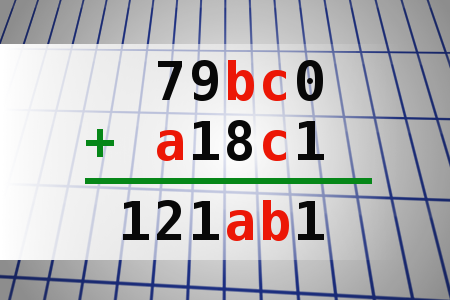
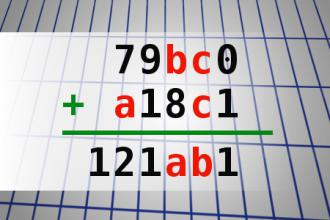
Find number abc
If 79bc0 + a18c1 = 121ab1 find number abc. Multiple solutions may exist.
Home Remedies
1. If you are choking on an ice cube, don't panic. Simply pour a cup of boiling water down your throat and presto! The blockage will be almost instantly removed.
2. Clumsy? Avoid cutting yourself while slicing vegetables by getting someone else to hold them while you chop away.
3. Avoid arguments with the Mrs. about lifting the toilet seat by simply using the sink.
4. High blood pressure sufferers: simply cut yourself and bleed for a while, thus reducing the pressure in your veins.
5. A mouse trap, placed on top of your alarm clock, will prevent you from rolling over and going back to sleep when you hit the snooze button.
6. If you have a bad cough, take a large dose of laxatives, then you will be afraid to cough.
7. Have a bad toothache? Hit your thumb with a hammer, then you will forget about the toothache.
8. Everyone seems normal until you get to know them.
9. AND..... Sometimes we just need to remember what The Rules of Life really are: You need only two tools: WD-40 and duct tape. If it doesn't move and it should, use WD-40. If it moves and shouldn't, use the duct tape.
10. If you woke up breathing, congratulations! You have another chance!
11. And finally... Be really good to your family and friends. You never know when you are going to need them to empty your bedpan.