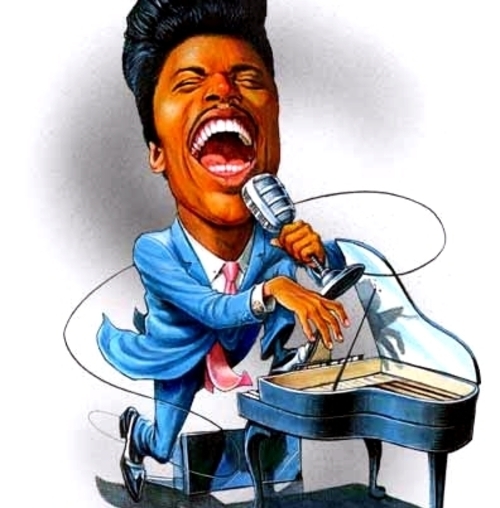
Guess the name of musician
Look carefully caricature and guess the name of musician.Correct answers: 29
The first user who solved this task is Djordje Timotijevic.
#brainteasers #music

Why Do Frogs Like St. Patrick's Day?
Q: Why did St. Patrick drive all the snakes out of Ireland?
A: He couldn't afford plane fare
Q: What do you call a fake stone in Ireland?
A: A sham rock
Q: Why do frogs like St. Patrick's Day?
A: Because they're always wearing green
Q: What does a leprechaun call a happy man wearing green?
A: A Jolly Green Giant
Q: What did one Irish ghost say to the other?
A: 'Top o' the moaning!
Q: How can you tell if an Irishman is having a good time?
A: He's Dublin over with laughter!
***
Knock, knock!
Who's there?
Irish.
Irish who?
Irish you a happy St. Patrick's Day!
A: He couldn't afford plane fare
Q: What do you call a fake stone in Ireland?
A: A sham rock
Q: Why do frogs like St. Patrick's Day?
A: Because they're always wearing green
Q: What does a leprechaun call a happy man wearing green?
A: A Jolly Green Giant
Q: What did one Irish ghost say to the other?
A: 'Top o' the moaning!
Q: How can you tell if an Irishman is having a good time?
A: He's Dublin over with laughter!
Knock, knock!
Who's there?
Irish.
Irish who?
Irish you a happy St. Patrick's Day!