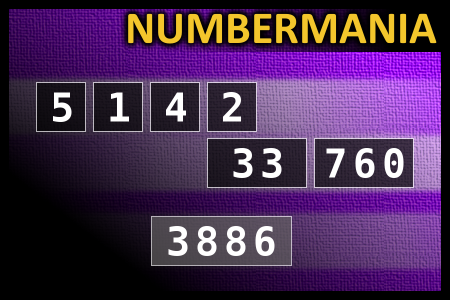
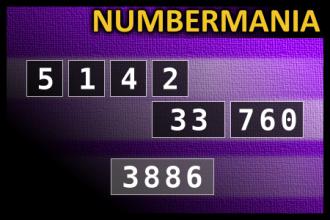
Calculate the number 3886
NUMBERMANIA: Calculate the number 3886 using numbers [5, 1, 4, 2, 33, 760] and basic arithmetic operations (+, -, *, /). Each of the numbers can be used only once.
Error Messages in Japan
In Japan, they have replaced the impersonal and unhelpful Microsoft Error messages with Haiku poetry messages.
Haiku poetry has strict construction rules.
Each poem has only 3 lines, 17 syllables: five syllables in the first line, seven in the second, five in the third.
Haikus are used to communicate a timeless message, often achieving a wistful, yearning, and powerful insight through extreme brevity -- the essence of Zen.
Your file was too big.
It might be very useful.
But now it is gone.
-------------------------------
The Web site you seek
Cannot be located, but
Countless more exist.
------------------------------
Chaos reigns within.
Reflect, repent, and reboot.
Order shall return.
-----------------------------
Program aborting:
Close all that you have worked on.
You ask far too much.
------------------------------
Windows 10 crashed.
I am the Blue Screen of Death.
No one hears your screams.
------------------------------
Yesterday it worked.
Today it is not working.
Windows is like that.